

Why Griffin Is Becoming a ‘Stay-Put’ Suburb in Moreton Bay
In a growing part of South East Queensland, Griffin stands out for a relatively understated reason. It may not be the most talked-about suburb in the Moreton Bay Region, but it is increasingly recognised as a place where people move to — and then choose not to leave.
Located between Brisbane’s northern growth corridors and the North Pine River, Griffin has steadily developed a reputation for everyday liveability. Its appeal lies less in spectacle and more in consistency: a suburb that supports routine, familiarity and long-term settlement rather than constant reinvention.
A suburb designed for day-to-day living
Griffin is predominantly residential, with a housing stock that is largely modern. Streets are designed around local movement rather than through-traffic, and neighbourhood parks are woven into the suburb rather than treated as afterthoughts.
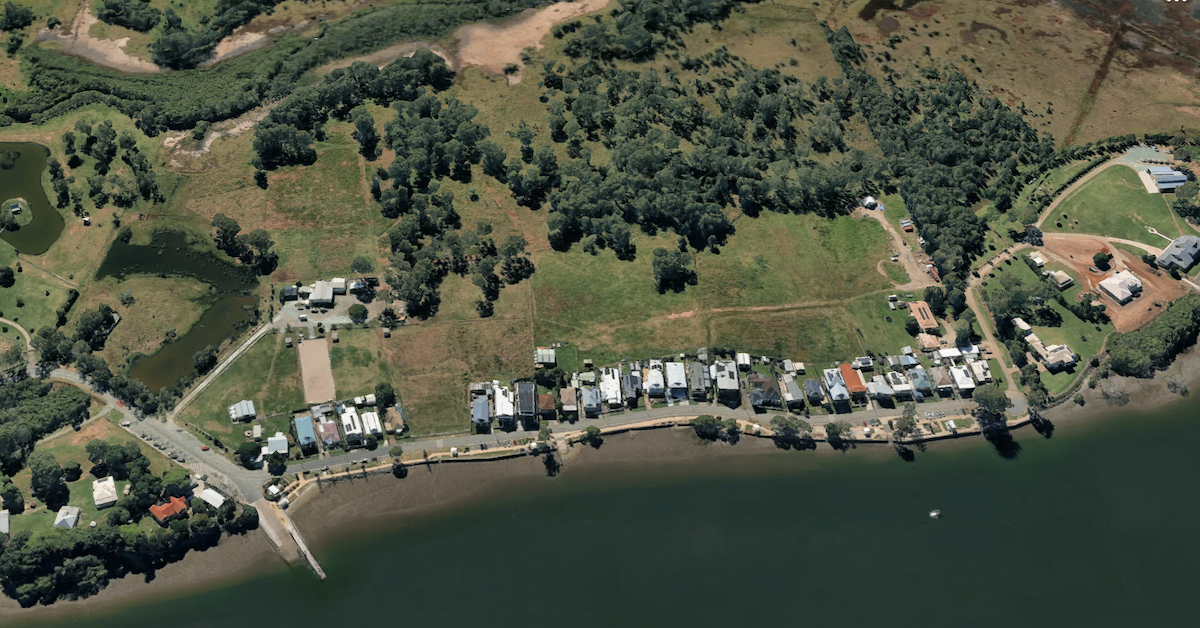
Along its southern edge, the suburb meets the North Pine River and surrounding waterways. These natural boundaries soften the built environment and provide green breaks that influence how the suburb feels day to day — quieter, more contained, and less frenetic than nearby commercial centres.
For many residents, this translates into a lifestyle shaped by ordinary rhythms: evening walks, weekends at home, time spent outdoors, and a sense that daily life fits the suburb rather than fighting it.
Griffin properties knocking on the door of $1m+
Just before Christmas 2025, several properties broke the 7-figure barrier:
- a 4-Bedroom house sold for $1.2m at 26 Majestic Avenue
- a 4-Bedroom house sold for $1.125m at 9 Pali Court
- a 4-Bedroom house sold for $1.05m at 69 Greens Road
- a 4-Bedroom house sold for $1.005m at 48 Sawmill Drive
- a 4-Bedroom house sold for $1.012m at 7 Bayleaf Street
- a 5-Bedroom house sold for $1.21m at 56 Victory Street
- a 6-Bedroom house sold for $1.25m at 5 Coriander Drive
Whilst the median property price for houses sold in Griffin at the end of 2025 sat at $925,000, the 7-figure sales are starting to be as common as the 6-figure sales. The median price for units rose dramatically by 19.9% in 2025 to $671,000.
A strong fit for families and long-term residents
Griffin’s demographic profile reflects its long-term appeal. The suburb has a younger median age than Queensland and Australia overall, and it is commonly associated with family households and working-age residents.
Many people arrive during key life stages — purchasing a first home, upsizing for a growing family, or seeking a quieter base after time closer to the city. What often follows is a decision to stay.
Rather than offering a busy main street or nightlife precinct, Griffin suits residents who value stability. Its sense of community is shaped through shared routines, schools, parks and everyday interactions that deepen over time.

Walking through Griffin: places that shape daily life
Beyond housing, Griffin’s character is shaped by a small number of places that frame how residents move through the suburb day to day — some long established, others still taking shape.
One of the most anticipated is The Freshwater Hub, a mixed-use precinct currently under construction. Anchored by Woolworths, the hub is expected to open between late 2026 and early 2027, with a builder appointed in late 2025 for an 18-month build. Currently, roadworks connecting Brays Rd and Arcadia Drive are progressing. Once everything is complete, the hub is expected to bring together a supermarket, medical facilities, cafes and small retailers in a single, central location. While it is not yet open, its presence is already influencing how residents think about the suburb’s future — not as a major commercial destination, but as a practical centre intended to support everyday needs close to home.
Closer to the river, Osprey House Environmental Centre plays a different role. Set within mangroves along the North Pine River, it provides a connection to the natural systems that sit alongside Griffin’s residential growth. Boardwalks, bird hides and educational programs make it a familiar place for families, school groups and residents who value easy access to nature without leaving the suburb.
Nearby, Dohles Rocks is less formal but just as embedded in local life. Known as a spot for fishing and river access, it attracts people early in the morning or late in the afternoon — those small windows of time that fit around work and family commitments. It is not curated or commercial, but used because it is there and accessible.
Further along the waterways, Hays Inlet offers quieter walking tracks through saltmarsh and bushland. It tends to draw residents looking for space rather than activity, reinforcing the way Griffin balances development with preserved natural edges.
Parks such as Bray Farm Park round out this network of everyday places. Designed for local use rather than regional drawcards, these spaces support the suburb’s emphasis on routine — children playing after school, weekend picnics, informal sport and time spent outdoors close to home.
Close to everything — without feeling crowded
Location plays a significant role in Griffin’s ongoing appeal. The suburb sits within comfortable commuting distance of Brisbane, while maintaining a distinctly suburban character.
Griffin’s location supports its “stay-put” reputation. With the Bruce Highway nearby and rail services accessible via stations such as Mango Hill and Murrumba Downs, residents have multiple transport options for work, study and travel across the region.
Griffin also benefits from its proximity to neighbouring centres, where additional shopping, dining and services are readily available. This allows residents to access amenities as needed without those activity hubs dominating their immediate streetscape.
Parks, waterways and open spaces remain an important part of Griffin’s identity, and there is a sense that the suburb has grown at a pace residents can adapt to. It’s a setting where weekend routines — backyard barbecues, local sport, time spent at home — form the backbone of everyday life.
Growth has been steady rather than abrupt, and there is a sense that the suburb has expanded at a pace residents can absorb.
Why people choose to stay
For long-term residents, the reasons for staying in Griffin are rarely dramatic. The suburb feels comfortable and predictable — qualities that gain value as lives become more complex.
There is reassurance in knowing that the environment you choose today is likely to continue working for you in the years ahead. For families in particular, that stability matters.
Griffin may not attract attention for constant transformation, but its consistency is precisely its strength. In a fast-moving property landscape, it offers something increasingly rare: continuity.

Featured Image Credit: Google Maps screengrab
Property data reflects reported sales at the time of writing and is provided for general information only.
