

Where the Bush Still Wins: Living Along Bunyaville’s Wildlife Corridor
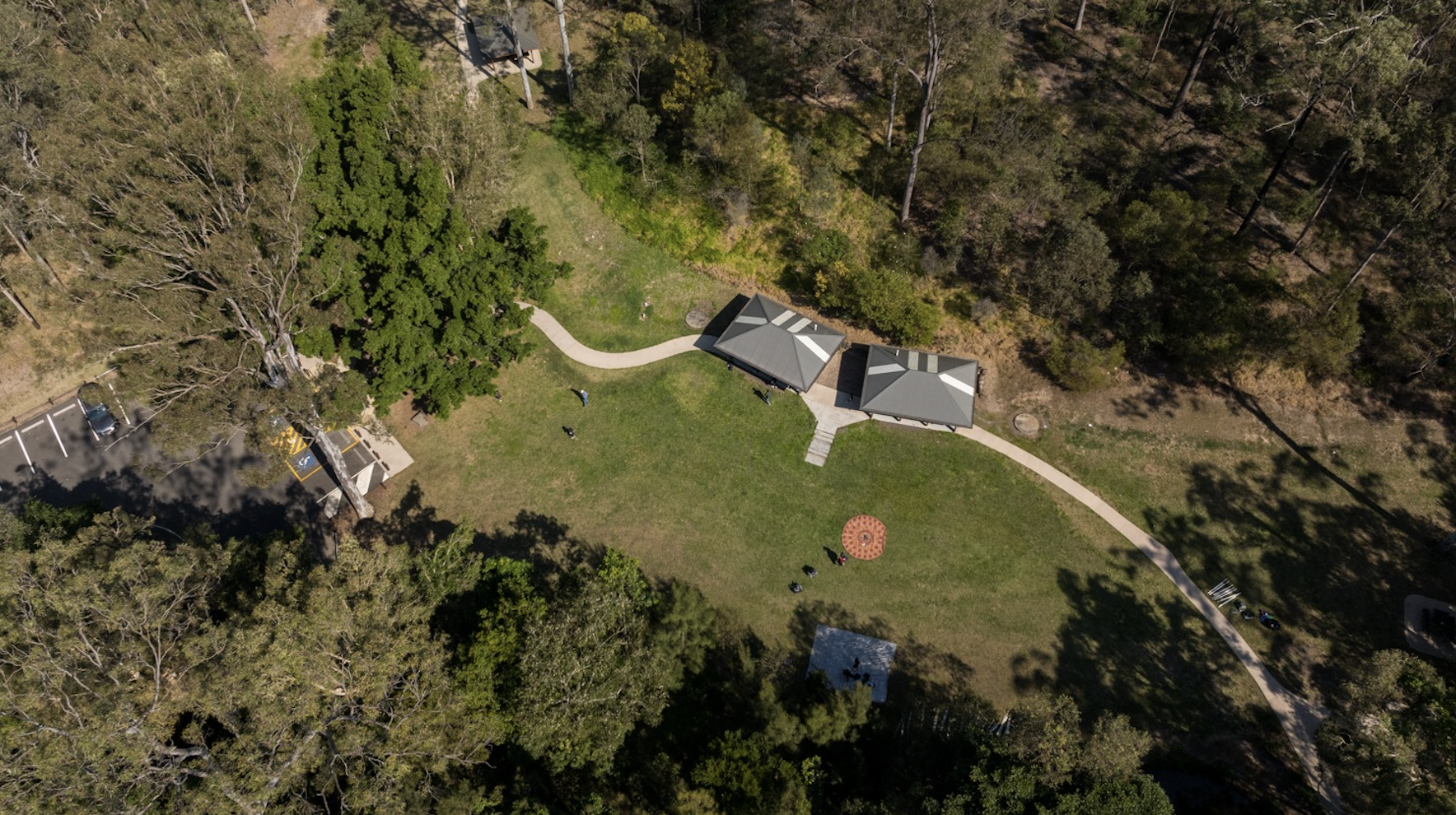
On the northern fringe of Brisbane, suburbia gradually softens into eucalyptus forest, winding walking trails and protected bushland that supports a wide range of native species. Near Bunyaville Conservation Park, neighbourhoods including Albany Creek, Eatons Hill and surrounding bushland pockets offer residents a lifestyle shaped by both natural surroundings and suburban convenience. Morning dog walks often take place along park trails, while the surrounding forest remains a constant presence in daily life for nearby residents.
For homeowners, the appeal lies in proximity to one of the region’s largest protected bushland reserves. Living near the conservation park provides access to walking, cycling and outdoor recreation while offering a strong connection to nature rarely found in more densely developed suburbs.
The Draw of Bush-Edge Living
Bunyaville Conservation Park covers approximately 633 hectares of protected native forest and forms part of the broader Mountains to Mangroves ecological corridor linking inland habitats to Moreton Bay.
Proximity to the park offers an opportunity to combine suburban convenience with easy access to outdoor recreation. The park features a network of multi-use trails that support bushwalking, cycling and horse riding, attracting visitors from across the Moreton Bay region.
Homes located close to bushland corridors can appeal to buyers seeking leafy outlooks, quieter streets and immediate access to green space. The presence of protected land also helps retain established vegetation and contributes to neighbourhood character.
Green space access is widely associated with improved wellbeing, with nature-based recreation continuing to influence buyer interest across bush-adjacent suburbs.
A Market That Prices in Green Space
Some significant property sales in the last three months in Albany Creek include 12 Fred Campbell Drive, a 5 Bedroom 2 Bathroom property on a 757 sqm block, which was sold by Michael Spillane for $1.585,000. Whilst Cara Bergmann recently sold 4 Alton Court, a 5 Bedroom, 2 Bathroom property on 820 sqm for $1,567,000.
In Eatons Hill, Wes McGregor recently sold 11 Fletchers Road, a 5 bedroom 2 Bathroom property on 2184 sqm for $1,680,000 and Steve Gott recently sold 20 Rothschild Street, a 5 Bedroom 3 Bathroom property on 1151 sqm for $1,500,000.
Bush-fringe suburbs surrounding Bunyaville Conservation Park continue to attract steady buyer demand, particularly among families seeking established homes with access to outdoor recreation and green space. Albany Creek and Eatons Hill have both maintained strong median house prices over the past year, reflecting sustained interest in nature-connected suburban living.
Over the past 12 months, Albany Creek has recorded a median house price of approximately $1.199 million, while Eatons Hill has tracked at around $1.255 million, highlighting consistent demand across both markets.
Recent verified transactions within bush-adjacent pockets highlight continued activity across these suburbs.
- 11 Fletchers Road, Eatons Hill — $1,680,000 — Sold on 12 Dec 2025
- 12 Fred Campbell Drive, Albany Creek — $1,585,000 — Sold on 28 Nov 2025
- 4 Alton Court, Albany Creek — $1,567,000 — Sold on 20 Jan 2026
- 20 Rothschild Street, Eatons Hill — $1,500,000 — Sold on 04 Nov 2025
- 14 Glendore Court, Eatons Hill — $1,450,000 — Sold on 12 Dec 2025
- 16 Rothschild Street, Eatons Hill — $1,431,000 — Sold on 07 Dec 2025
- 26 Ophelia Crescent, Eatons Hill — $1,400,000 — Sold on 08 Jan 2026
- 2 Starina Court, Eatons Hill — $1,385,000 — Sold on 20 Nov 2025
- 18 Georgette Court, Eatons Hill — $1,351,000 — Sold on 24 Nov 2025
- 31 Corso Street, Eatons Hill — $1,350,000 — Sold on 13 Nov 2025
Sales across both suburbs reflect a mix of established family homes and larger residential properties, reinforcing buyer interest in areas that combine suburban convenience with access to nearby bushland and recreation spaces.
When Wildlife Becomes Part of the Neighbourhood
Living near conservation land means residents regularly share the environment with native wildlife. Bunyaville Conservation Park is an important ecological link within the Mountains to Mangroves Corridor, supporting wildlife movement between inland bushland and coastal habitats.
Birdlife is a visible feature across the area, while nocturnal species including possums and gliders are commonly associated with bushland environments. Wildlife presence underscores the importance of preserving habitat corridors and maintaining balanced ecosystems in suburban areas.
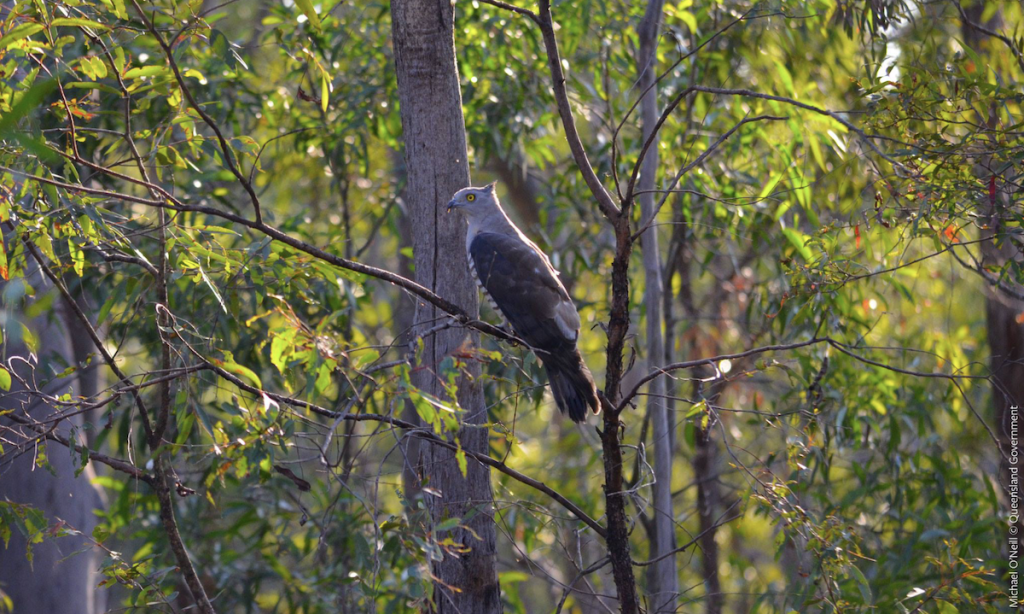
Snake sightings are a recognised aspect of living near bushland in Queensland. Wildlife authorities advise that snakes are protected and play a valuable ecological role by helping control pest populations. Residents are encouraged to contact licensed snake catchers if reptiles enter residential properties.
Community awareness of wildlife activity supports responsible coexistence and environmental stewardship in bush-adjacent suburbs.
Adapting to Life Beside the Conservation Park
Residents living near bushland often make practical adjustments to reduce wildlife conflict and support environmental balance. Pet owners are encouraged to keep dogs on leads when walking in bushland areas and to supervise animals at home, particularly during warmer months when reptiles are more active.
Garden maintenance can also help minimise wildlife encounters. Reducing dense ground cover, securing rubbish and removing potential shelter areas can help discourage pest species and reduce snake attraction to residential yards.
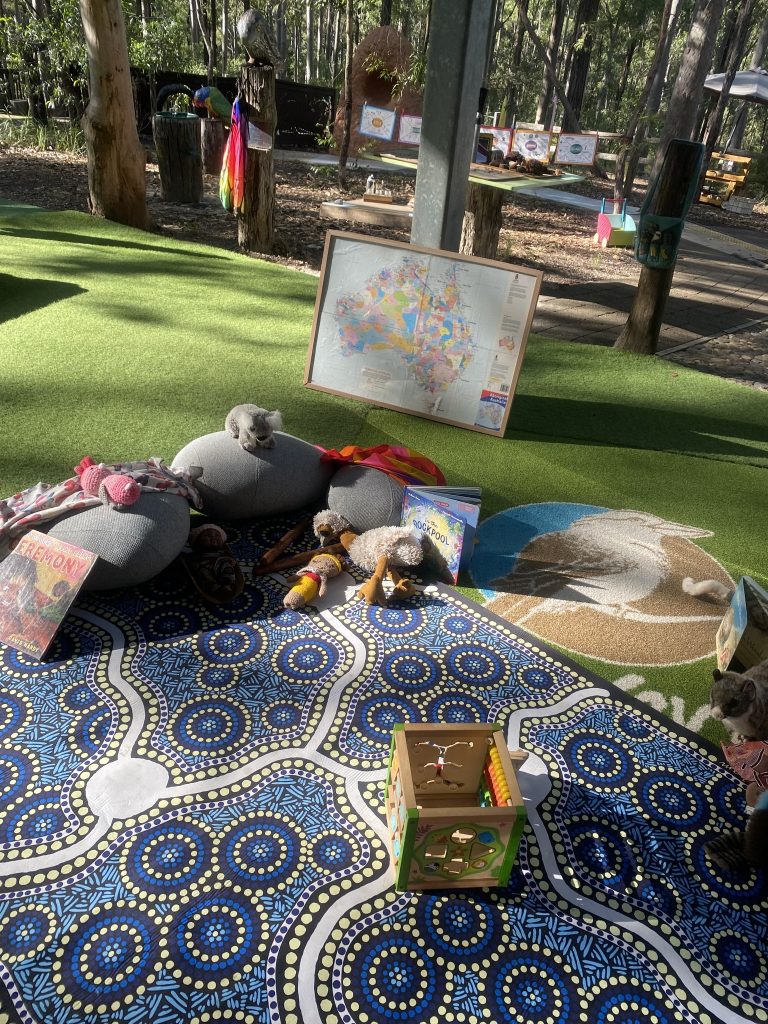
Environmental education programs associated with local conservation areas also support awareness among younger residents, helping communities understand how to safely interact with native wildlife.
For many residents, these adjustments are part of the lifestyle considerations that come with living near protected bushland and recreation areas.
Why Buyers Continue to Seek Bush-Connected Suburbs
Bush-fringe suburbs remain attractive across the Moreton Bay region, with many buyers prioritising access to green space alongside suburban convenience. The presence of protected conservation land helps retain natural outlooks and recreational access for future residents.
As population growth continues across South East Queensland, suburbs located near conservation reserves offer a balance between urban accessibility and environmental connection.
In the case of Bunyaville, the surrounding bushland continues to shape the identity of neighbouring communities, influencing both lifestyle and property demand while reinforcing the region’s reputation for nature-connected suburban living.

Featured Image Credit: Bunyaville Environmental Education Centre
