
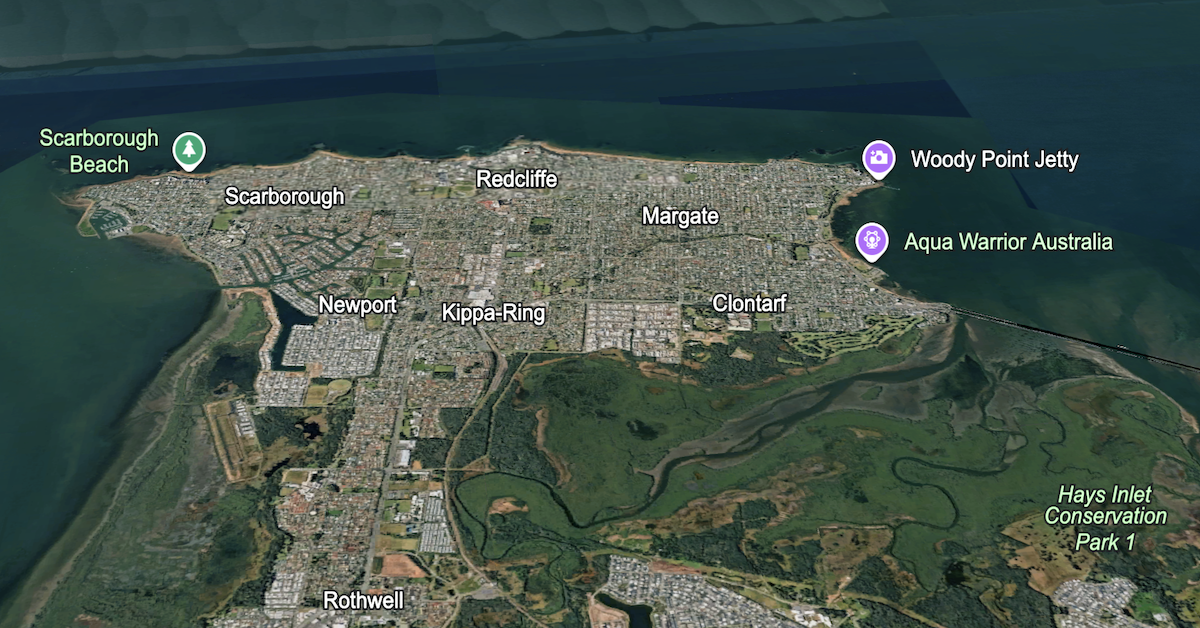

The Redcliffe Peninsula is Changing — and the Shift is Already Showing in the Property Market
The Redcliffe Peninsula isn’t waiting for a headline project — it’s already changing. A wave of upgrades across health, transport and the foreshore is quietly reshaping how people live, move and buy on the Peninsula.
That shift is already showing up in the numbers.
QUICK LINKS — Click to read
- Top 10 Sales – Q1 2026
- Health Precinct: The Kippa-Ring Anchor
- Rail Link Effect: Connectivity That’s Baked In
- Redcliffe Parade: From Foreshore Upgrade to Market Signal
- Immediate Impact
Top 10 Sales on the Redcliffe Peninsula (Last 3 Months)
(Excluding Newport)
At the top end, 21 Kennedy Esplanade, Scarborough sold for $2,150,000 through Julian Clifton, while 28 Gayundah Esplanade, Woody Point achieved $2,030,000 with Jacqui Mckeering — both reinforcing the premium attached to tightly held waterfront positions on the Peninsula.
In contrast, 25 Bunton Street, Scarborough, which sold for $2,100,000 through Dianne Clarke, shows that demand at this level isn’t limited to absolute waterfront. Well-located homes within established coastal suburbs are also attracting strong competition, pointing to broader buyer confidence across the Scarborough–Redcliffe strip rather than a single niche driving the market.
- 22 Wylie Street, Redcliffe — Sold by Dianne Clarke — Price undisclosed
- 27 Fortune Street, Scarborough — Sold by Cameron Reid — Price undisclosed
- 21 Kennedy Esplanade, Scarborough — Sold by Julian Clifton — $2,150,000
- 25 Bunton Street, Scarborough — Sold by Dianne Clarke — $2,100,000
- 33 Valerie Street, Clontarf — Sold by Angela Mastrapostolos — Price undisclosed
- 28 Gayundah Esplanade, Woody Point — Sold by Jacqui Mckeering — $2,030,000
- 25 Rock Street, Scarborough — Sold by Maddie Dolan — $1,900,000
- 22A Klingner Road, Redcliffe — Sold by Luke Osborn — $1,900,000
- 11 Hobbs Street, Scarborough — Sold by Stephanie Williams — $1,865,000
- 71 Prince Edward Parade, Redcliffe — Sold by Jonathan Koleszar — $1,815,000
Health Precinct: The Kippa-Ring Anchor
The expansion of Redcliffe Hospital, alongside Peninsula Private Hospital, has shifted Kippa-Ring into a genuine sub-regional health hub — and one of the Peninsula’s most reliable demand drivers.
A bigger hospital, not just an upgrade
Recent works have materially lifted capacity. The hospital now runs with 200+ beds, supported by a larger emergency department, expanded operating theatres and broader specialist services. Maternity, outpatient and diagnostic facilities have also been scaled up, allowing more care to be handled locally rather than pushing patients back toward Brisbane.
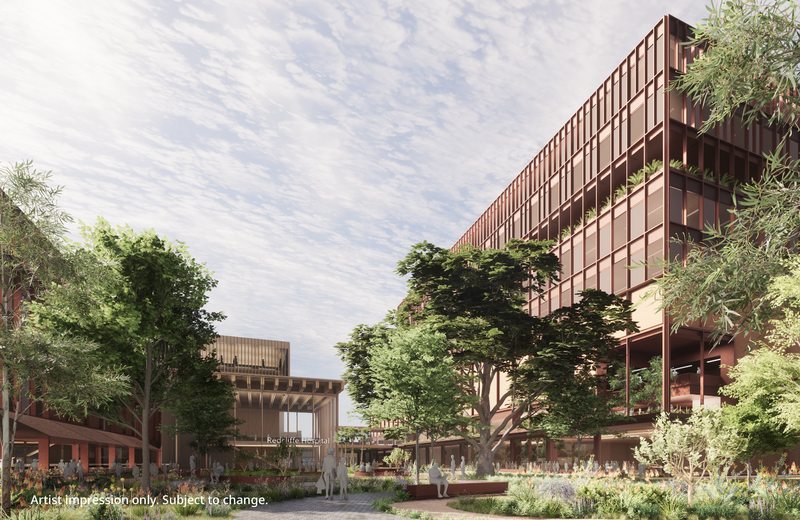
Photo Credit: qld.gov.au
Catching up to population, not getting ahead of it
This expansion reflects the scale of growth across Moreton Bay. The hospital’s catchment now exceeds 300,000 people, with the region among the fastest-growing in Queensland. That growth has been flowing directly into higher emergency presentations and ongoing demand for specialist care — meaning the precinct is responding to pressure already in the system, not anticipating it.
A steady jobs engine in the background
Healthcare brings a different type of economic impact. The expansion supports hundreds of additional roles across clinical, admin and support functions, while also pulling in allied health providers, specialists and service businesses. It’s a workforce that is typically stable and less exposed to economic cycles — and that consistency matters locally.
Where this shows up in the property market
That workforce is already feeding into housing demand. Pockets within a short drive — particularly Kippa-Ring, Redcliffe and Rothwell — are seeing tighter rental conditions, consistent enquiry from health-sector workers and growing investor focus on low-vacancy areas.
It’s not a spike — it’s a base. And over time, that kind of infrastructure-backed demand tends to shape how the Peninsula is valued.
Rail Link Effect: Connectivity That’s Now Baked In
Since the completion of the Redcliffe Peninsula railway line, the Peninsula has effectively been pulled closer to Brisbane — not geographically, but in how buyers assess it.
From Petrie Station to Kippa-Ring Station
The line runs from Petrie station through Kallangur station, Mango Hill station, Rothwell station and terminates at Kippa-Ring station, linking directly into the wider Brisbane rail network.
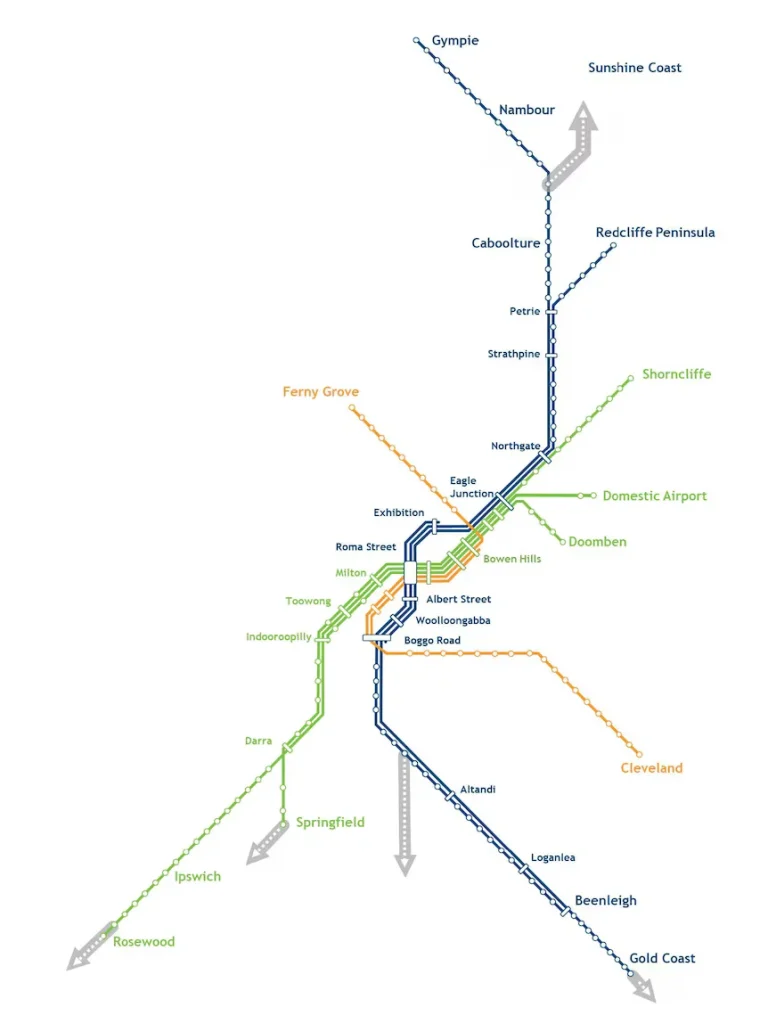
That connection places the Peninsula within a commutable corridor to Brisbane CBD and major employment hubs, supported by regular peak-hour services.
The market response wasn’t immediate — but it’s clearer over time. Rather than a sharp uplift at completion, the impact of the rail line has shown up in sustained activity and broader buyer reach. Population growth across Moreton Bay — now exceeding 500,000 — has driven increased use of the line, which carries millions of passenger trips each year and firmly positions the Peninsula within Brisbane’s commuter belt.
That connectivity is reflected in transaction activity and demand patterns. Data from InfoTrack and broader sales results show consistently high turnover across the northern corridor, while tight rental conditions point to ongoing tenant demand. The effect is most visible around Kippa-Ring station, Rothwell station and Mango Hill station, where access to rail aligns with both affordability and commuting practicality.
Buyer behaviour has shifted with it. Proximity to a station is now a filter, not a bonus — with homes near rail attracting broader enquiry and faster decisions. Many buyers are also trading off dwelling size or finish for connectivity. The rail line is no longer a selling point; it’s an expectation.
Redcliffe Parade: From Foreshore Upgrade to Market Signal
Along Redcliffe Parade, the shift is no longer just incremental — it’s now anchored by a defined project at Suttons Beach.
The $19.5 million Suttons Beach Pavilion redevelopment is the clearest signal yet. Construction began in February 2026, with completion targeted for mid-2027, funded through the SEQ City Deal. The relocation of the long-standing rotunda — preserved and repositioned rather than removed — is the first visible step, but it sits within a broader redesign of how the foreshore functions.
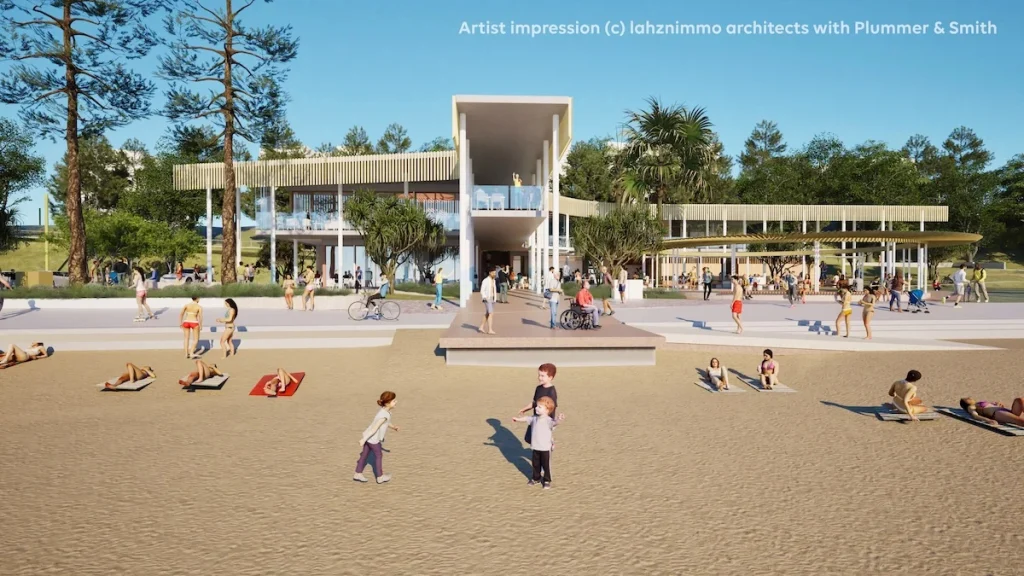
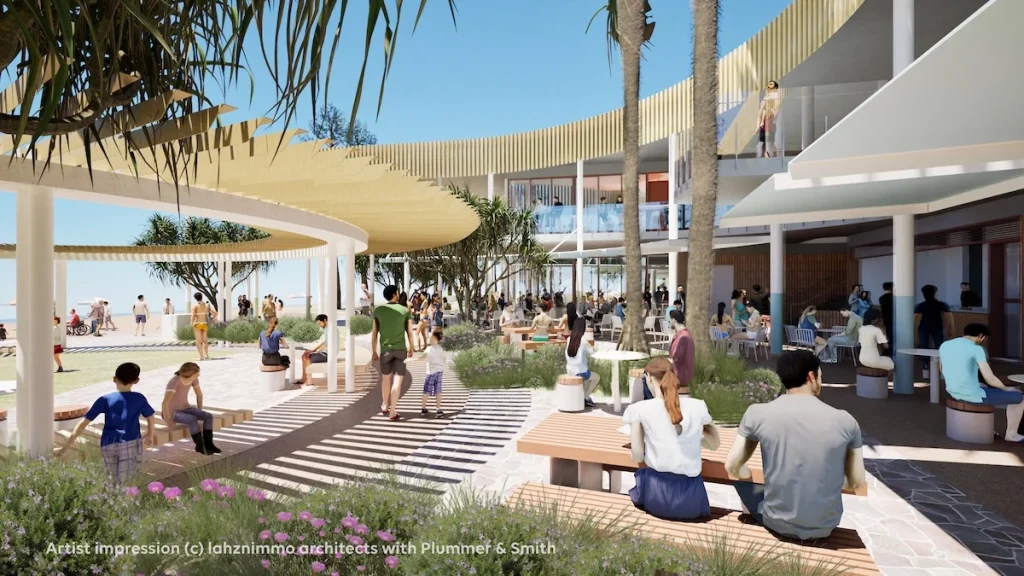
The project introduces a new pavilion with a rooftop viewing deck, upgraded public amenities including accessible facilities, expanded indoor and outdoor hospitality space, and improved access across the foreshore. It shifts the strip from passive beachfront to a more activated precinct designed for longer stays and consistent foot traffic.
For property, this is a structured lift in amenity backed by public investment. It strengthens the Parade’s position as a walkable coastal strip and supports ongoing demand from downsizers and lifestyle buyers, particularly for units and townhouses within close proximity.
Immediate Impact
Within Redcliffe itself, these shifts are starting to converge.
The foreshore upgrade is lifting the appeal of the Parade and surrounding streets, particularly for downsizers and lifestyle buyers targeting walkability. At the same time, the health precinct at Kippa-Ring and the rail line are widening the buyer pool — bringing in commuters, healthcare workers and investors who would not have previously considered the Peninsula.
That combination is starting to show up in the numbers. Tight rental conditions across Moreton Bay point to sustained tenant demand, while transaction data from InfoTrack shows consistently high turnover across the corridor. In Redcliffe, that is translating into steady activity for well-located units and townhouses near the waterfront, supported by a broader mix of buyers including commuters, downsizers and investors.
Published 16-April-2026
Disclaimer: Sales data is based on publicly available information at the time of publication and may not include all transactions, particularly those where the sale price has not been publicly disclosed. The information provided is for general informational purposes only, and readers are encouraged to conduct their own research.
