


Samford Valley’s Food Bowl Life: From Paddock to Plate on Brisbane’s Fringe
On a warm Saturday morning in Samford Valley, the sun lifts slowly over the hills, catching the rows of vegetables at Green Thumb Farm in soft gold. Cars pull into the grassy carpark in a steady trickle. Children balance empty baskets, dogs wait patiently at their owners’ feet, and the scent of sourdough mingles with herbs freshly cut from the paddock just metres away.
It looks peaceful – even unhurried – but this quiet valley increasingly contributes to what ends up on Moreton Bay’s plates. From small organic farms and bustling farmgate mornings to circular food loops between growers and city cafés, Samford Valley is emerging as a notable local food bowl story.
A valley shaped by soil and curiosity
Long before Samford became a sought-after tree-change destination, it was known for its productive soils. In the early 20th century, the district shipped thousands of cases of bananas and fruit to Moreton Bay each week. Later, the CSIRO established a research station here, trialling pastures and studying subtropical farming systems.
When the research station closed, much of the land seemed destined for quiet retirement. Instead, it was reimagined. Community leaders and locals saw potential in the old paddocks. With council support, part of the site became Millen Farm — a community-run market garden of around 5,000 square metres designed to grow food, teach new growers and reconnect people with the land beneath their feet.
In recent years, Millen Farm has completed its original mission, creating a place to grow, learn and connect through food. The lease for the site has since been handed over to the Mini Farm Project, working alongside the Samford Community Garden (Green Thumb Farm), ensuring the land continues to support local food production and community involvement.
Farmgate Saturdays: shopping from the soil
Just down the road, Green Thumb Farm turns into a village of its own every Saturday morning. For many locals, the week isn’t complete without a trip to the Farmgate Markets, where stalls of organic vegetables, herbs, seedlings, honey, bread and small-batch preserves fill the farm’s open-air courtyard.
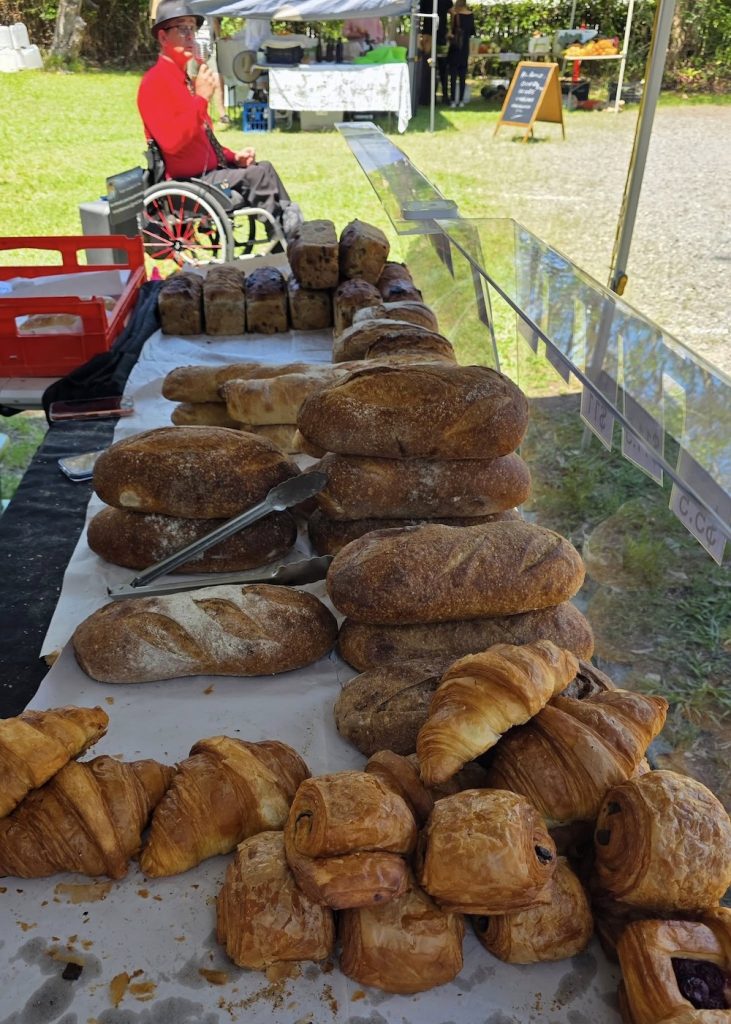
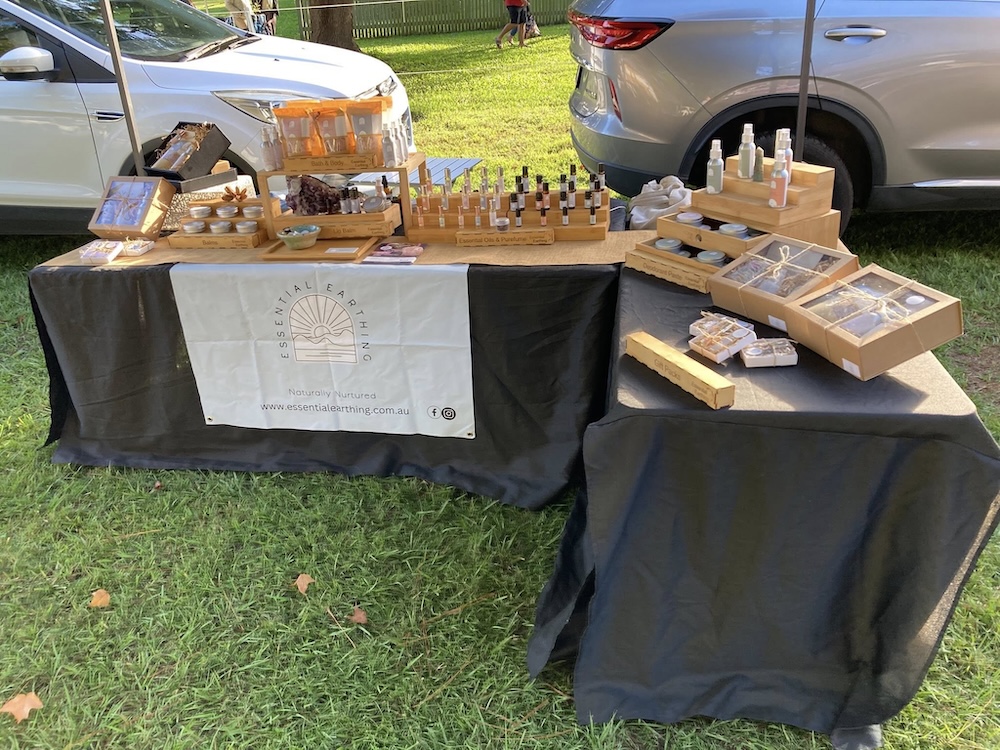
There’s a familiarity to the interactions here. Shoppers chat with growers about what’s coming into season. Children explore the edges of the farm while adults compare produce or share recipe ideas. People leave with bunches of kale still damp from the morning irrigation, or tomatoes that haven’t travelled further than a wheelbarrow ride.
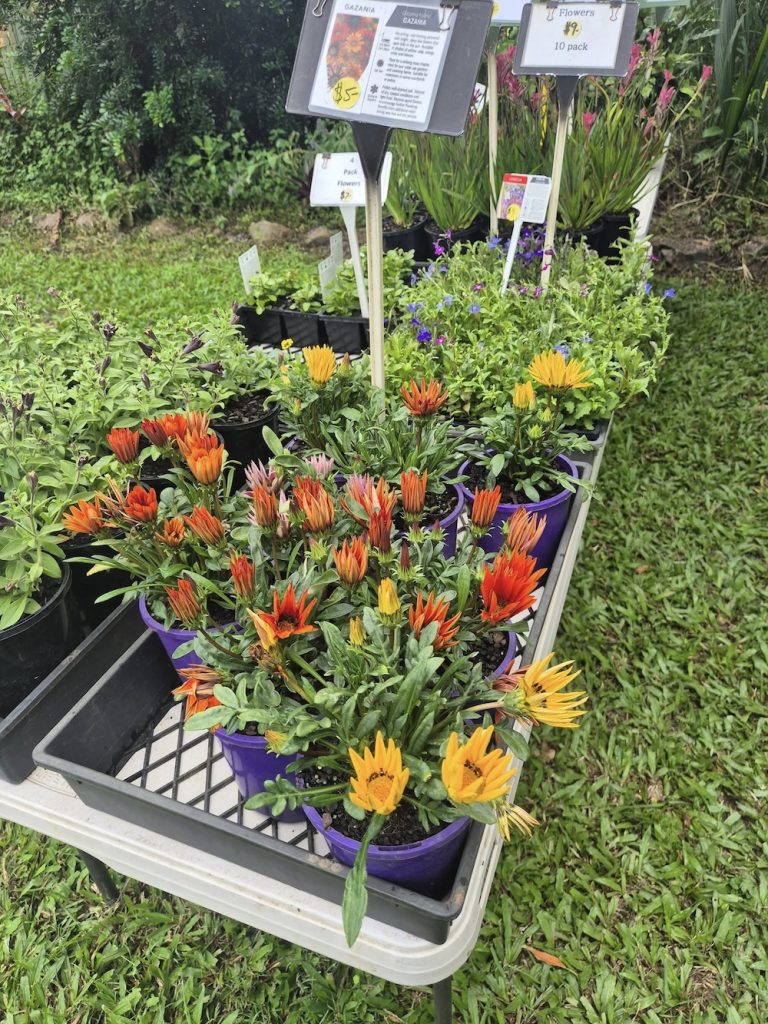
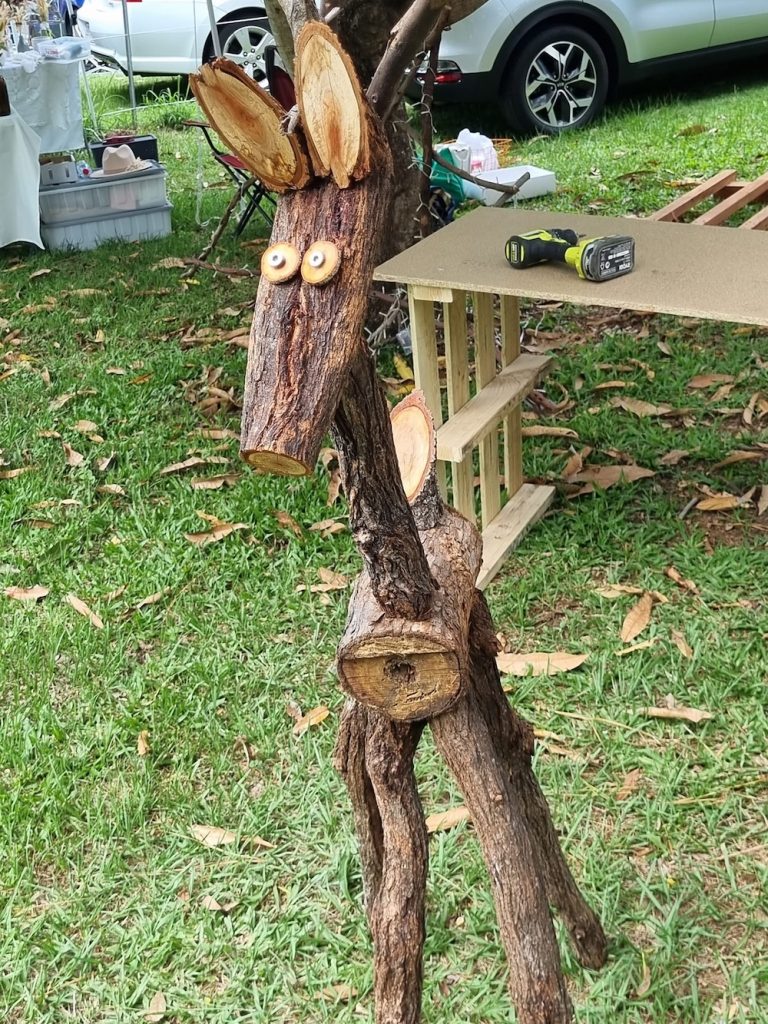
In December 2025, the markets carry an especially festive energy. The farm has confirmed a short summer pause, with 6 December 2025 marked as the final market day of the year, before closing until late January 2026. Many locals use that morning to stock up for the holidays, filling baskets with summer produce destined for Christmas lunches.
And as the sun lowers that same day, Samford Village comes to life with Christmas in the Village, an evening of food stalls, lights and live music. It creates a full-circle moment: a valley that feeds Brisbane by morning, and celebrates itself by night.
A circular loop from café plate to compost
Samford’s food story isn’t limited to what grows in its soil – it’s also about what returns to it.
Across the valley, small farms work with Brisbane cafés to collect coffee grounds, vegetable scraps, and compostable waste. Instead of heading to a landfill, those scraps are transformed into nutrient-rich compost, used to grow new vegetables, which are then delivered back to participating cafés.
It’s a simple circular system that links city dining with rural regeneration. Diners in Brisbane cafés may not realise that part of their meal began as compost in Samford Valley.
Chefs often highlight the appeal of this model: fresher produce, short supply chains and the opportunity to tell diners that their salad greens or herbs were grown just half an hour away.
A food bowl built on community and care
What makes Samford unique is not just its produce, but its people. Growers often collaborate, sharing knowledge and resources. Residents rally behind them. Families make rituals out of market mornings. Workshops draw gardeners from across the region.
This interwoven network aligns with planning work that explores Samford as a peri-urban food bowl – a green buffer on Brisbane’s edge designed to protect farmland, foster sustainable agriculture and support regional food resilience.
It is farming scaled to the community, not commodities.
Why it matters for residents, buyers and renters
For those who call Samford Valley home – or those hoping to – the food culture is more than a charming backdrop. It’s a lifestyle asset.
Living here means having access to weekly organic markets, community farms and educational workshops, fresh seasonal produce grown minutes from home, cafés and restaurants that serve local ingredients, and a village atmosphere anchored by sustainability and connection.
For buyers seeking a rural lifestyle with modern values, or renters wanting community without sprawl, Samford’s food bowl identity adds another layer to its appeal.
This is a place where people know their growers, where paddocks double as classrooms, and where a valley quietly feeds a city while keeping its own sense of calm.
As south-east Queensland grows, Samford Valley’s role as a local food leader is likely to expand. More collaborations, more gardens, more market mornings and more opportunities to learn how to grow food at home are already emerging.

Featured Image Credit: Samford Valley Markets/Facebook
