

Griffin Booms as Infrastructure Races to Keep Up With Surging Population
On a weekday morning in Griffin, the school run often hints at the suburb’s growing pains. Traffic builds along key routes such as Henry Road as parents queue for drop-off, buses join the flow, and tradies head out from new estates still dotted with scaffolding. Beyond the windscreens, rooftops continue to spread across what were once open paddocks.
In just a few years, Griffin has become one of Moreton Bay’s fastest-growing suburbs, and the pressure on schools, roads and open space is increasingly visible as the population rises.
A Suburb Growing at Speed
Griffin sits between the Pine River and the Bruce Highway, covering roughly 17.2 square kilometres with 12 parks that account for about 6.7 per cent of its land area.
According to the Census, Griffin’s population grew from 6,839 residents in 2016 to 12,295 in 2021 — an increase of almost 80 per cent in just five years. Over the past decade, Census data shows the population has more than doubled as new housing estates and townhouses have been developed.
Across the broader City of Moreton Bay, council planning forecasts the region will grow from just over 500,000 residents to around 790,000 by the mid-2040s — making it one of Australia’s fastest-growing local government areas. Griffin’s continued development is one part of that wider growth story.
Families are drawn to Griffin’s modern housing stock, proximity to the Bruce Highway, access to nearby services in North Lakes, and a predominantly young demographic, with many residents aged 30–39.
Schools Feeling the Strain
School capacity remains a key consideration for families looking to move into the area.
Griffin State School operates under an official Enrolment Management Plan due to high demand. Education Queensland notes the school must carefully manage enrolments to ensure it can continue to accommodate students living within its designated catchment.
In practice, this means:
- families must provide proof of residence within the catchment
- out-of-catchment places are limited
- increased demand can place additional pressure on neighbouring schools.
For many families, these factors influence where they choose to live and how they plan their school journeys.
Roads Under Pressure, Upgrades Underway
Griffin’s rapid growth has placed extra pressure on its transport network, particularly on roads such as Henry Road and Dohles Rocks Road, which connect residents to the Bruce Highway and surrounding suburbs.
The City of Moreton Bay has responded with a series of upgrades and planned works, including:
- Henry Road and Dohles Rocks Road upgrade – a $12.9 million project improving flood immunity, safety and traffic flow near the future Griffin Sports Complex.
- Planned arterial corridor between Mango Hill and Griffin – identified in council planning schemes to support future traffic demand.
- Shared path improvements – including a 2.5-metre-wide shared pathway on Henry Road and additional connections funded in recent council budgets.
Griffin also forms part of the city’s Active Transport Network Plan, which outlines new pathways, bridges and links designed to improve walking and cycling access across the suburb. This includes a planned active transport connection over Freshwater Creek, developed in partnership with the State Government.
These projects aim to support safer travel options and reduce dependence on cars as the suburb continues to grow.
Protecting Creeks, Wetlands and Weekend Space
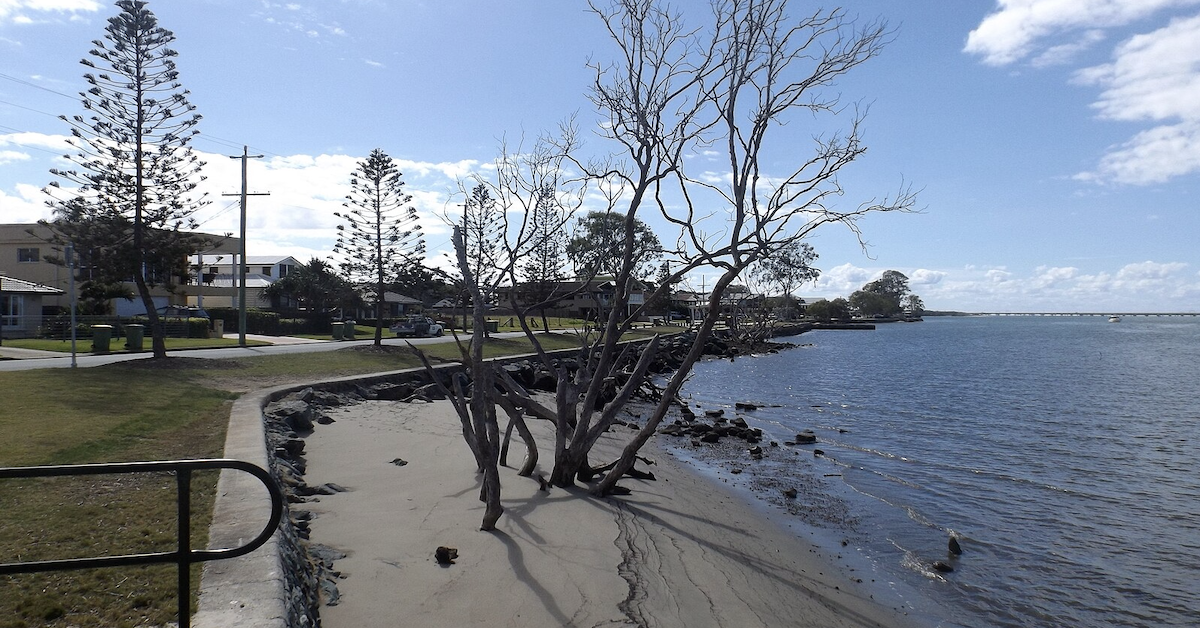
Griffin’s identity is closely tied to its natural surroundings — including the Pine River, wetlands, and a series of local parks. Council records show 12 parks distributed across the suburb, offering green space for a quickly growing population.
Council’s active transport planning aims to connect these parks with paths and boardwalks, allowing residents to move more easily between recreation areas, wetlands and the river.
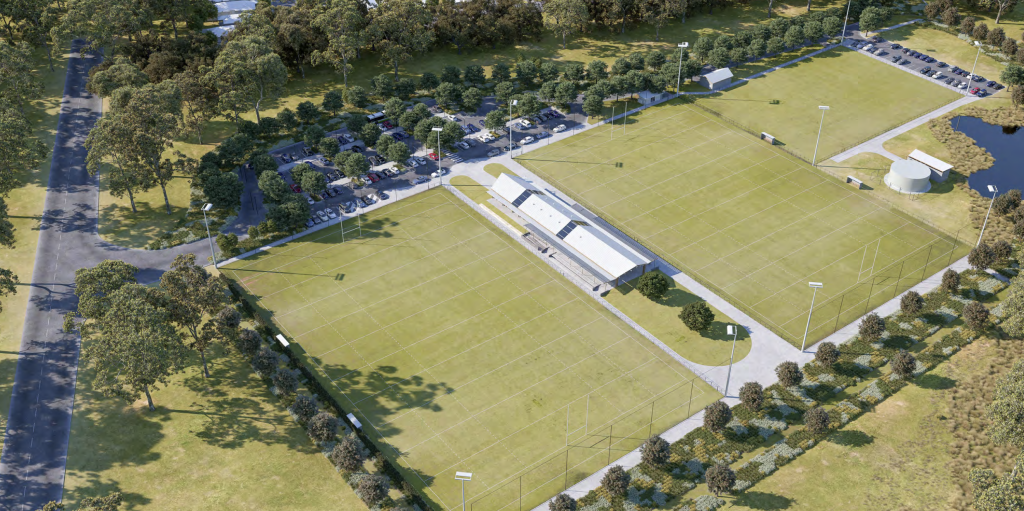
Recent development in Griffin has included smaller lots and townhouse projects, increasing the importance of public open space. Facilities such as the Griffin Sports Complex on Henry Road are intended to provide additional community recreation space as the population expands.
For many households, weekends revolve around bike rides, sport, and time by the river — making continued investment in connected green spaces essential for maintaining liveability.
What Growth Means for Residents and New Arrivals
Griffin’s growth corridors offer a mix of opportunities and challenges.
Key advantages include:
- strong long-term housing demand driven by population growth
- modern housing in a family-friendly suburb
- close access to major transport routes and services
- a young demographic that supports schools, clubs and local facilities.
Considerations for residents and buyers:
- school catchment restrictions and enrolment limits
- construction impacts from ongoing infrastructure works
- increased traffic during peak periods
- continual change as new areas are developed.
Those considering a move into Griffin often review school catchment boundaries, check council planning maps for future road and pathway projects, and explore nearby parks and creek corridors to understand local amenity.
A Suburb Still Taking Shape
Griffin is still evolving, with new homes, upgraded roads, expanded recreation areas and improved walking and cycling links reshaping the suburb year by year. Its growth corridors are contributing to the wider region’s housing supply while placing greater demand on schools, transport and open space.
As the suburb continues to expand, the balance between growth and liveability will remain central — shaping how families experience Griffin not just today, but in the years to come.

Featured Image Credit: Wikimedia Commons/Creative Commons CC0 1.0 Universal Public Domain Dedication

