

Redcliffe: Why Healthcare Access Is Quietly Shaping Where People Choose to Live
For many people choosing where to live today, the decision goes beyond lifestyle and scenery. Increasingly, it comes down to something far more practical: access to healthcare.
Research into housing and urban planning shows that proximity to hospitals and medical services can influence residential location decisions. Studies examining housing markets have found that households — particularly older residents — often place value on shorter travel times to hospitals and specialist care when choosing where to live.
This dynamic is particularly relevant in coastal communities such as Redcliffe. As the population across the northern Moreton Bay region continues to grow, the presence of major healthcare infrastructure is becoming an increasingly important factor in how residents evaluate where to settle long-term.
QUICK LINKS TO SECTIONS BELOW
Property Activity Across the Redcliffe Peninsula
Recent sales across Redcliffe show strong demand across both houses and apartments, particularly in coastal pockets along Marine Parade and established residential streets close to local amenities.
- 1205/99 Marine Parade, Redcliffe — Apartment — Sold 20 Jan 2026 — $2,520,000
- 22A Klingner Road, Redcliffe — House — Sold 29 Jan 2026 — $1,900,000
- 8 Sands Street, Redcliffe — House — Sold 23 Dec 2025 — $1,400,000
- 27/94-98 Prince Edward Parade, Redcliffe — Apartment — Sold 18 Dec 2025 — $1,400,000
- 40B Shields Street, Redcliffe — House — Sold 13 Jan 2026 — $1,325,000
- 121 Anzac Avenue, Redcliffe — House — Sold 05 Feb 2026 — $1,310,000
- 18/77-79 Marine Parade, Redcliffe — Apartment — Sold 27 Feb 2026 — $1,302,000
- 23/17 Marine Parade, Redcliffe — Unit — Sold 18 Dec 2025 — $1,300,000
- 214/59-67 Marine Parade, Redcliffe — Apartment — Sold 02 Feb 2026 — $1,200,000
- 10 Yates Street, Redcliffe — House — Sold 12 Feb 2026 — $1,190,000
The standout in this group was the apartment at 1205/99 Marine Parade (3 bed / 2 bath / 3 car), which sold for $2.52 million through Ben Campbell and Ben Smith of Ray White Redcliffe. Premium waterfront apartments along Marine Parade continue to attract downsizers and lifestyle buyers seeking coastal living while remaining close to essential infrastructure, including Redcliffe Hospital and the peninsula’s healthcare network.
Another standout was 22A Klingner Road (3 bed / 2 bath / 3 car), which achieved $1.9 million through Luke Osborn and Jordan Curtis of Whitefox Brisbane. Homes in this bracket often appeal to established families relocating within the Moreton Bay region, where access to transport, schools, retail centres and healthcare services contributes to long-term liveability.
Two properties recorded prices of $1.4 million. The house at 8 Sands Street (4 bed / 2 bath / 4 car), sold by Jay and Michelle Peters of Ray White Scarborough, reflects continued demand for established homes close to the waterfront and town centre. Meanwhile, the apartment at 27/94–98 Prince Edward Parade (4 bed / 2 bath / 4 car), sold for $1.4 million by Clinton Viertel and Jonathan Koleszar of Belle Property Redcliffe, underscores the strength of the peninsula’s coastal apartment market.
Together these transactions illustrate the mix of buyer profiles currently active in Redcliffe — from families seeking established homes to downsizers favouring low-maintenance coastal apartments — with access to everyday infrastructure increasingly part of how buyers evaluate long-term living on the peninsula.
Redcliffe Hospital: A Regional Healthcare Anchor
History and Role
Redcliffe Hospital is the primary public hospital serving the Redcliffe Peninsula and much of the northern Moreton Bay coastline. Located on Anzac Avenue, the facility operates within the Metro North Hospital and Health Service, one of Queensland’s largest public health networks.
Opened in 1965, the hospital has expanded several times as the peninsula’s population has grown. It now operates as a secondary-level public hospital providing emergency care, maternity services, surgery and specialist medical treatment.
The facility currently has around 250 beds and provides services across emergency medicine, orthopaedics, obstetrics, paediatrics, mental health and general surgery.
Regional Catchment
Redcliffe Hospital serves a broad coastal catchment extending beyond the suburb itself.
Communities regularly relying on the hospital include the peninsula suburbs of Scarborough, Margate, Woody Point, Clontarf, Kippa-Ring and Rothwell, as well as mainland areas such as Deception Bay, North Lakes, Mango Hill and parts of Burpengary. Residents from Bribie Island also frequently travel across the peninsula for hospital services, particularly emergency care, maternity services and specialist treatment.
Across this service area, Redcliffe Hospital currently supports a population of roughly 190,000 residents, with Queensland Health projecting that number could increase to around 275,000 by 2046 as population growth continues across the Moreton Bay region.
With approximately 250 beds serving that catchment, the hospital currently provides roughly 1.3 hospital beds per 1,000 residents, illustrating both the scale of the facility and the pressure population growth places on healthcare infrastructure.
Expansion and Capacity
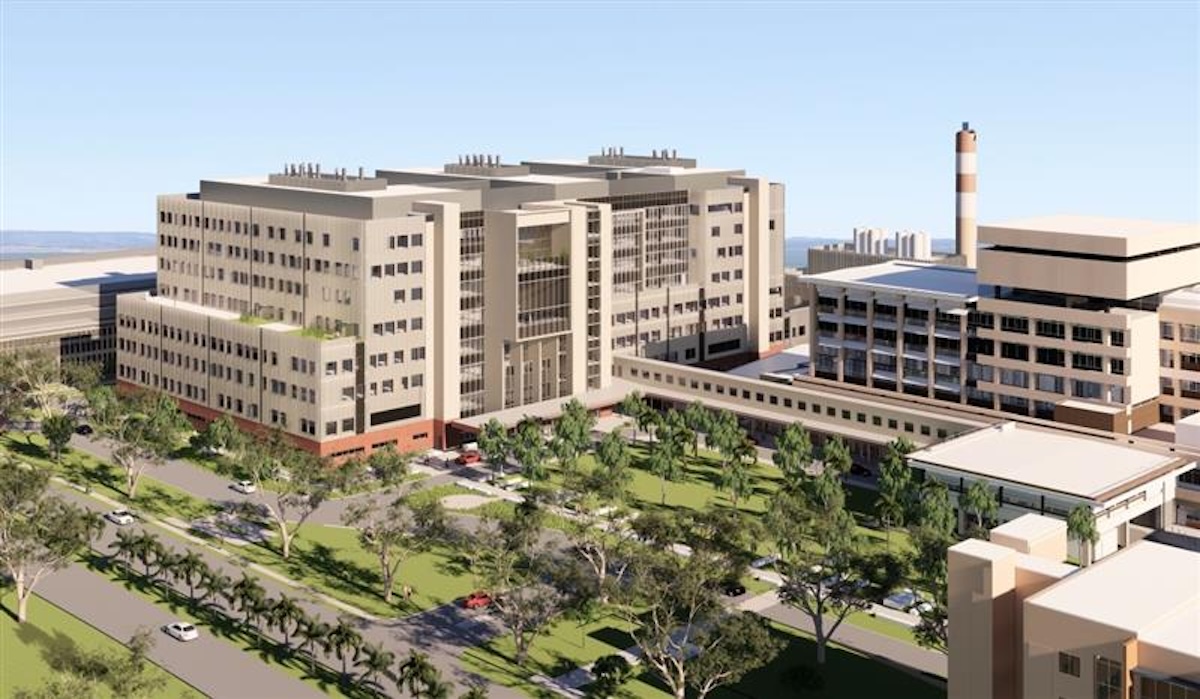
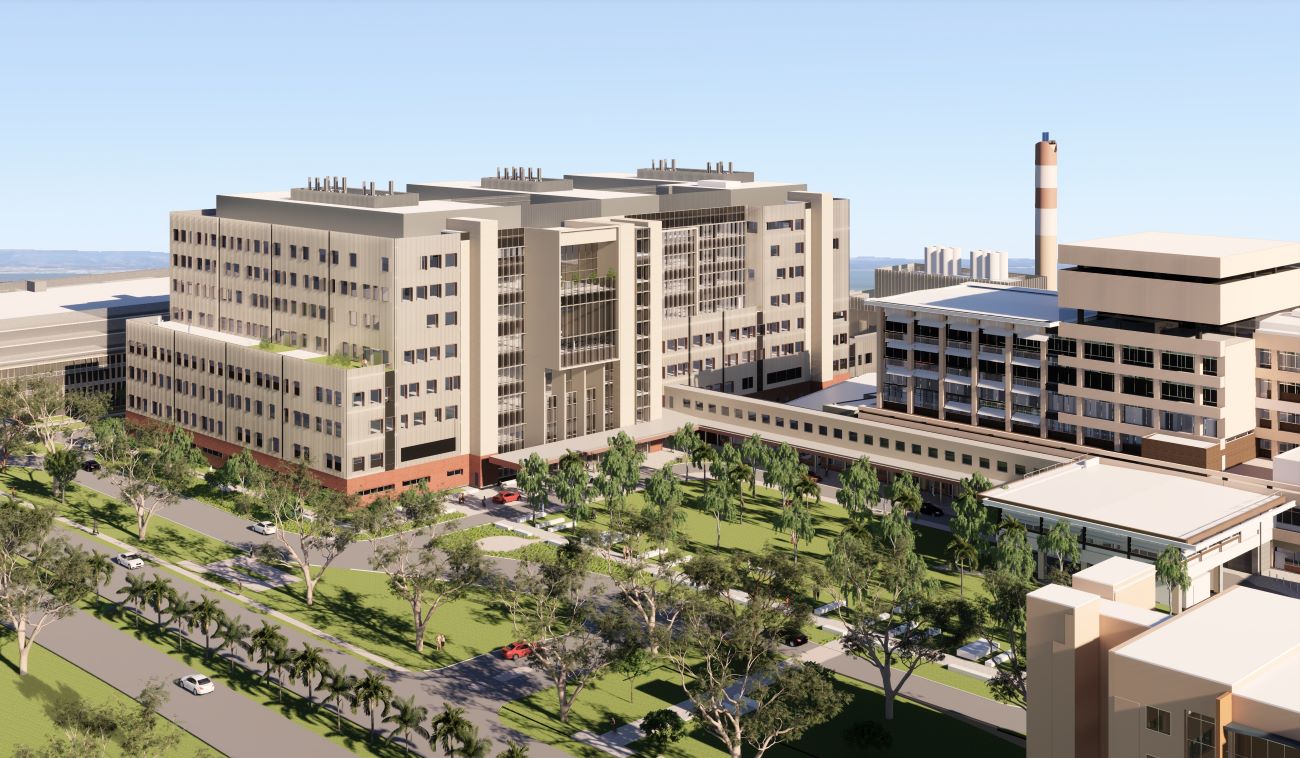
To accommodate future demand, the Redcliffe Hospital Expansion Project will add more than 200 additional overnight beds, along with expanded operating theatres and new clinical services.
Once completed, the expansion is expected to significantly increase the hospital’s capacity, lifting the ratio of beds available to residents across the peninsula and surrounding suburbs.
Like many hospitals across South East Queensland, Redcliffe has faced periods of pressure in recent years as patient demand increases alongside population growth and ageing demographics.
Why Hospitals Often Become Property Anchors
Employment and Economic Activity
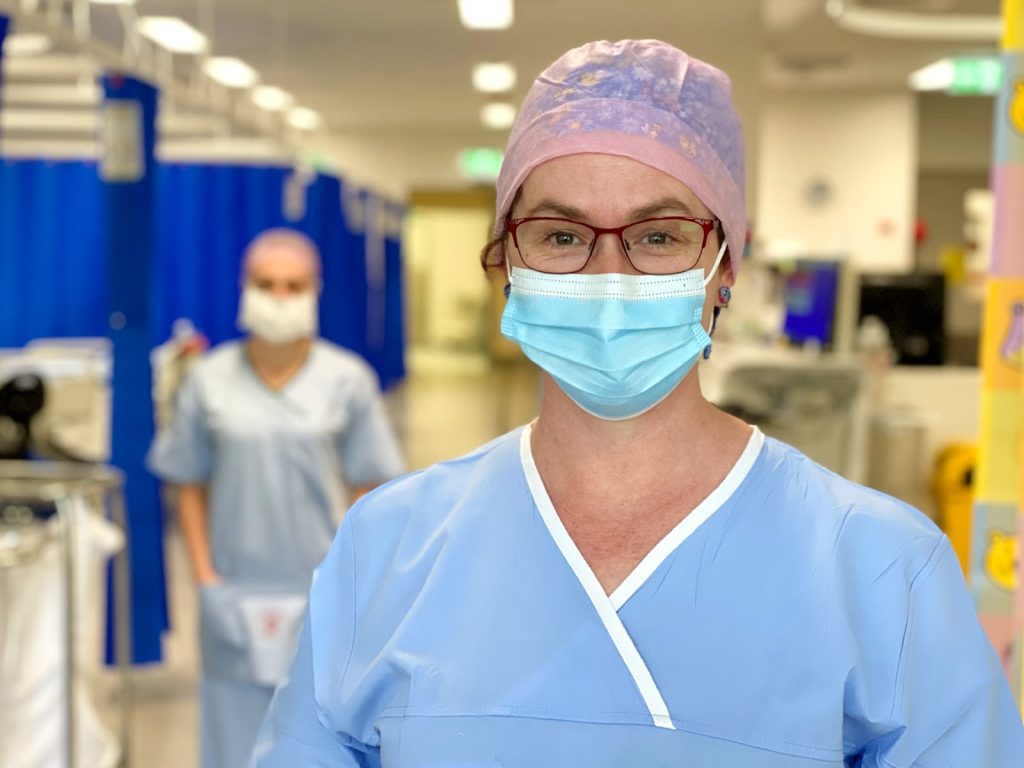
Large hospitals are often among the largest employers in suburban regions. Facilities like Redcliffe Hospital support substantial workforces across clinical, administrative and operational roles, making healthcare one of the major employment sectors in many growing suburban corridors.
In addition to direct employment, hospitals generate surrounding economic activity through medical consulting suites, pathology laboratories, diagnostic imaging providers and allied health practices that locate nearby to service patients and referrals.
Medical Precinct Effects
Hospitals also tend to attract clusters of related healthcare services. Specialist consulting suites, diagnostic imaging providers, pathology laboratories and rehabilitation centres frequently develop near major hospital campuses.
Urban development research shows that these medical precincts can strengthen housing demand in nearby suburbs by concentrating both employment and essential services within a relatively small geographic area.
Redcliffe Hospital’s role as a regional facility is reflected in its patient activity. Queensland Health data indicates the emergency department handles around 50,000 presentations each year, highlighting the level of demand for acute healthcare services across the northern Moreton Bay corridor.
The Peninsula’s Healthcare Network
Redcliffe Hospital anchors a broader healthcare network across the peninsula, supported by private hospitals, medical centres and specialist clinics in neighbouring suburbs.
Within Redcliffe, healthcare services include general practice clinics, specialist consulting suites, diagnostic imaging providers, pathology laboratories and allied health practices supporting both hospital referrals and primary care.
Across the Redcliffe Peninsula there are at least 20 general practice clinics serving communities including Scarborough, Margate, Woody Point, Clontarf, Kippa-Ring and Rothwell.
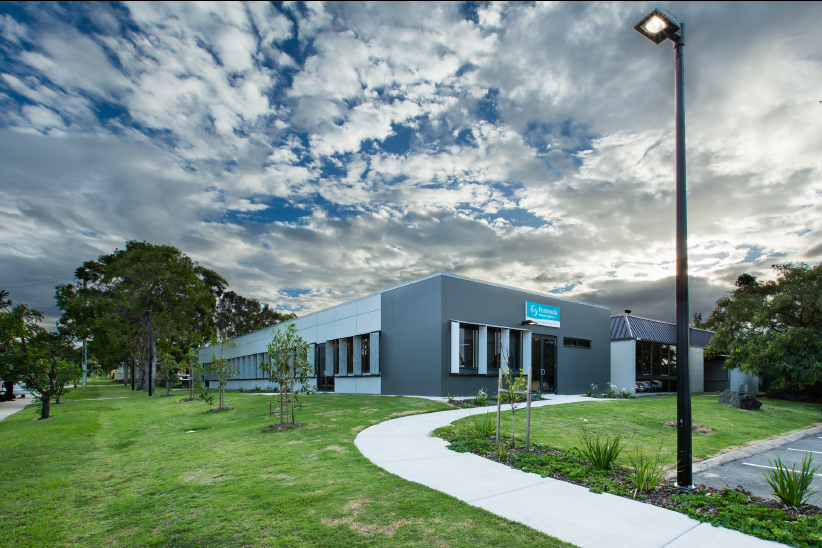
Additional capacity sits nearby. Peninsula Private Hospital in Kippa-Ring, located on George Street opposite Kippa-Ring Shopping Centre, provides surgical procedures, rehabilitation services and specialist treatment that complement the public services offered at Redcliffe Hospital.
Rothwell and surrounding suburbs add further imaging providers, physiotherapy clinics and allied health centres.
Together these facilities form a distributed healthcare corridor across Redcliffe, Kippa-Ring and Rothwell, providing residents with access to hospital care, specialist treatment and primary healthcare within a relatively small geographic area — an infrastructure advantage that increasingly influences how households evaluate long-term living on the peninsula.
Why Healthcare Access Influences Where People Live
Hospitals and medical services are a practical factor in residential decisions, particularly in regions with growing populations and ageing demographics.
On the Redcliffe Peninsula, residents can access a major public hospital, a nearby private hospital and a network of clinics without travelling into Brisbane. That level of healthcare access supports both everyday medical needs and emergency care for communities across the peninsula.
For households considering coastal suburbs in Moreton Bay, proximity to these services provides long-term practicality alongside lifestyle factors such as waterfront living and local amenities.
In this way, Redcliffe’s healthcare infrastructure — anchored by Redcliffe Hospital and supported by facilities in Kippa-Ring and surrounding suburbs — helps explain why the peninsula functions as a regional hub for residents across the northern Moreton Bay coastline.
Featured Image Credit: Metro North Health
Published 5-March-2026
