

From Mudflats to Mangroves, Moreton Bay is Alive with Birdlife
On the edge of Moreton Bay, as the tide slips away to reveal vast stretches of mudflat, the sky often stirs with wings. Curlews call out, godwits probe the sand, and children clutch binoculars almost too big for their faces, eager to spot their first pelican. This is a common experience for families living along one of Australia’s most extraordinary coastlines.
The Living Bay
Moreton Bay is no ordinary stretch of water. Each year, more than 360 species of birds are recorded here, making it one of the richest coastal habitats in the country.
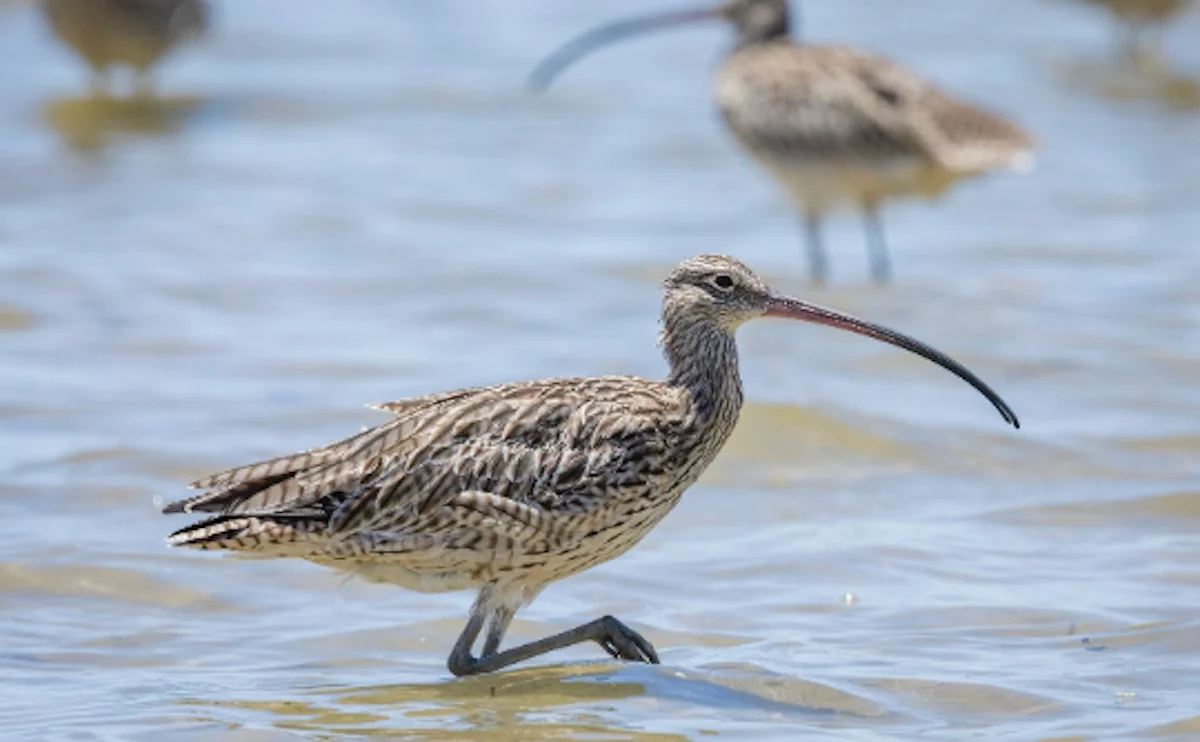
Some of its most remarkable visitors have travelled halfway across the globe. The Bar-tailed Godwit, for example, arrives after a journey from Alaska that can last more than a week without rest. The endangered Eastern Curlew, the world’s largest shorebird, lands here after a long flight from breeding grounds in Siberia and northeast China.
For locals, it means that an afternoon stroll along the shore is also a chance to glimpse an international traveller. When flocks settle onto the sandbars, the Bay becomes a living link between residents and distant parts of the world. Scientists stress that without the safe refuge of Moreton Bay, many of these birds would not survive their annual migrations.
Birdwatching for Everyone
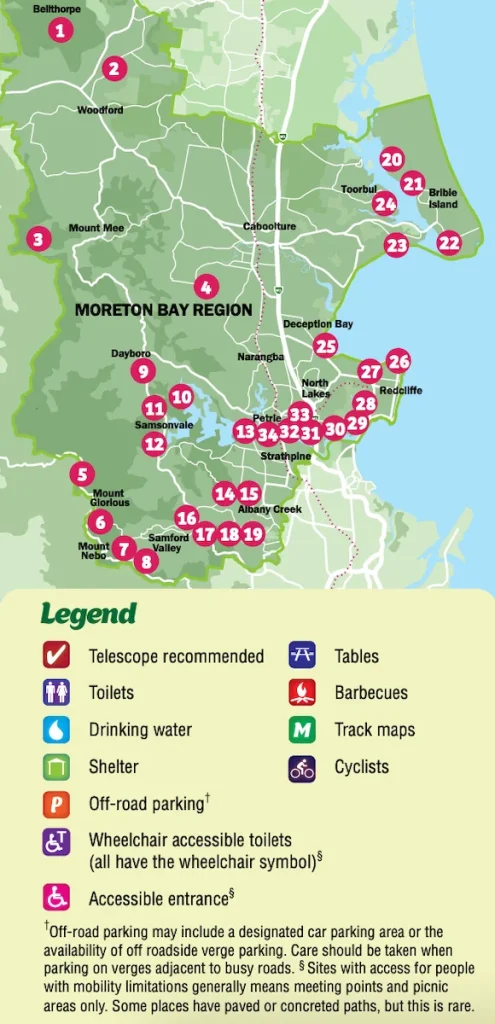
The joy of birdwatching in Moreton Bay lies in its accessibility. More than 30 sites around the region invite visitors to slow down and take a closer look.
At the Osprey House Environmental Centre in Griffin, families gather on wooden decks where telescopes are positioned to point towards the water. On Bribie Island, Buckleys Hole Lagoon offers a mix of mangroves, wetlands and open foreshore, where pelicans glide low across the lagoon.
The advice from long-time locals is simple: arrive early, bring binoculars, and watch the tides. At low tide, birds sweep in to feed across the exposed flats. Summer is when migratory species return from the Northern Hemisphere, while winter brings the steady presence of resident birds.
For newcomers, the most recognisable faces—pelicans, herons, rainbow lorikeets—are often the first step into a wider world of birdwatching.
Children Discovering the Bay
What makes Moreton Bay unique is not only the wildlife, but also the way families have made it part of their weekend activities. Children are often spotted with notebooks in hand, sketching birds or tallying sightings. Parents craft makeshift binoculars from cardboard tubes, helping younger kids feel like true explorers.
Centres like Osprey House offer hands-on displays, demonstrating how raptors build nests and how shorebirds forage. Schools across the region link excursions with science lessons, encouraging students to see their local shoreline as an open-air classroom. For many children, spotting a curlew or osprey for the first time becomes a story they take home and share, sparking conversations that stretch from classrooms to kitchen tables.
Community Spirit by the Shore
Beyond the families, there is another layer to the Bay’s story: the volunteers. Local groups conduct regular shorebird counts, carefully noting numbers and species. Their work is documented in Council records and contributes to international conservation data. Residents who once strolled the foreshore casually now return with cameras and field guides, eager to contribute to citizen science.
Children are included too. Some schools partner with volunteers, allowing students to participate in real-world monitoring efforts. These experiences encourage community pride and highlight the role every individual can play in protecting the Bay. Locals often say that when children take part, they become ambassadors at home, reminding parents and neighbours of the small choices that protect the Bay.
Balancing Play and Protection
The Bay’s future depends on a careful balance. Shorebirds are easily disturbed, and human activities—from dogs running off-leash to vehicles near nesting areas—can have lasting impacts. Council programs focus on simple reminders: stay on marked paths, keep dogs leashed, and give birds space to rest and feed.
Protecting birdlife does not mean limiting enjoyment. Families still swim, picnic, and fish along the shoreline. These experiences can continue for generations, as long as they are matched with care for the birds that share the same space.
For residents and newcomers alike, it is about seeing the Bay not just as a backdrop, but as a shared home.

Featured Image Photo Credit: Brian Russell/QLDGov
