


Tracking the Tides: Coastal Watchers of Moreton Bay
At 6:00 a.m., when the tide slips away from the Clontarf foreshore, a small group walks the edge of Hays Inlet. They carry basic monitoring tools such as cameras and notebooks, similar to those used by volunteer groups in the area. These are the Coastal Watchers—locals who have become part of a growing movement of citizen scientists keeping watch over the shifting environment of Moreton Bay.
A changing shoreline
Clontarf, on the Redcliffe Peninsula, sits beside one of the most ecologically diverse marine areas in southeast Queensland. The Moreton Bay Marine Park supports seagrass meadows, coral communities, mangroves and intertidal flats that provide food and shelter for turtles, dugongs and migratory birds. Following the 2022 floods, sediment covered several coastal habitats, and turtle strandings were reported in parts of Moreton Bay. Local and state agencies confirmed that water quality and habitat loss were key issues affecting marine life health.
According to a 2023 report from Queensland Parks and the Department of Environment, Science and Innovation, seagrass cover in parts of Moreton Bay declined after the floods but showed early signs of recovery the following summer. Areas near Hays Inlet and Bramble Bay showed relatively early signs of regrowth. Volunteer observations from the community have provided ongoing insight into how local seagrass responds to heavy rainfall and stormwater runoff, complementing formal scientific studies.
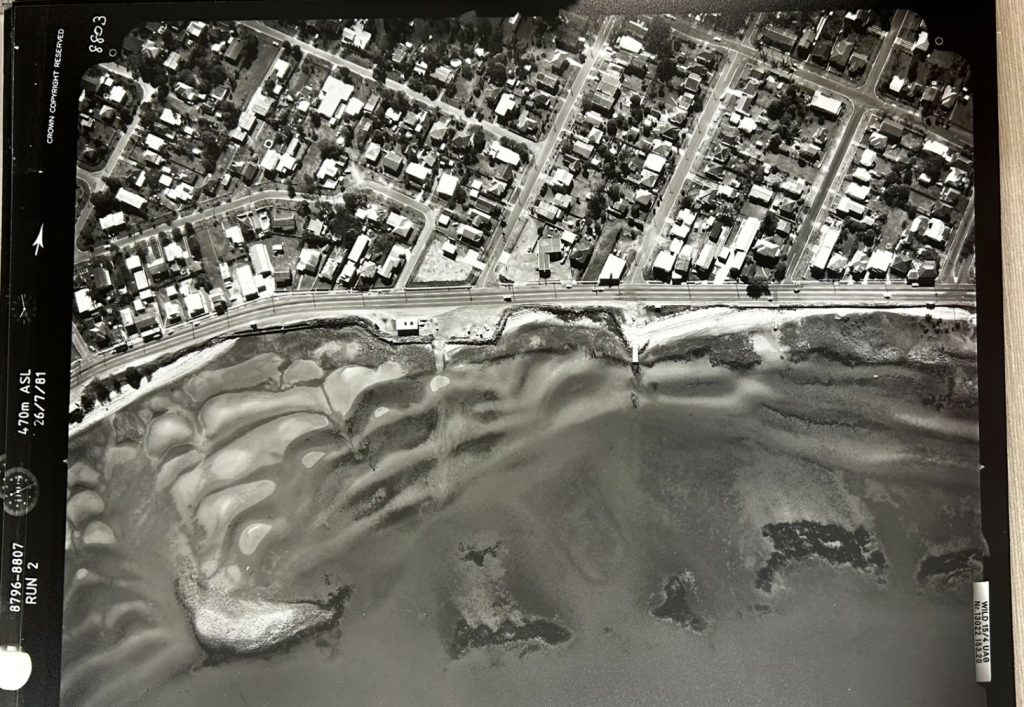
Citizen science in action
The Coastal Watchers group developed informally through local organisations such as Hays Inlet Bushcare, part of the Redcliffe Environmental Forum. Volunteers were already restoring vegetation and managing weeds when they began noticing erosion and habitat change after extreme weather events. With guidance from local authorities and marine researchers, they began recording shoreline changes, turtle sightings and water clarity.
Participants use monitoring guidelines provided by state programs such as SeagrassWatch and the Queensland Citizen Science project network. They upload their results through digital platforms that help researchers track long-term environmental changes. The program connects local observations with scientific monitoring.
Research from the Moreton Bay Foundation shows that volunteer-collected data often supplements official surveys. Foundation reports highlight that community observations help identify emerging issues faster than scheduled field assessments can. Regular updates on turtle and seagrass conditions provide early indicators of decline or pollution for researchers and environmental managers.
Tracking turtles and seagrass recovery
Green turtles and dugongs rely heavily on the bay’s seagrass meadows for feeding. The Moreton Bay Foundation notes that the bay supports one of the largest populations of green turtles in southern Queensland. When seagrass declines, turtles are more likely to become sick or strand along the coastline. Reports from the City of Moreton Bay document ongoing efforts to treat and rehabilitate affected animals.
Volunteer records and scientific reports both show gradual seagrass recovery in Hays Inlet since the floods. Recent observations indicate clearer water and less sediment in parts of the inlet. Researchers link recovery to improved stormwater management and habitat restoration near the inlet.
Community and science working together
Beyond collecting data, the Coastal Watchers approach their work as a form of stewardship. Participants include locals of varied ages who regularly observe tides, birds and turtle movements. They describe feeling a stronger connection to the environment through their involvement. Council environmental officers note that local participation helps maintain conservation activities year-round.
The collaboration between residents, researchers and regional agencies demonstrates how environmental management can be strengthened at a local scale. The integration of formal science and community observation aligns with government findings that highlight citizen science as a practical, low-cost way to track coastal health. It also raises awareness among residents who might not otherwise engage with marine conservation.
Moreton Bay remains vulnerable to flooding, pollution and coastal development, but it is also one of Queensland’s most studied and protected marine parks. Volunteers are considering monitoring mangrove health and marine debris in future activities. Their efforts, while modest, contribute to a growing record of environmental change that helps inform long-term planning.
At Hays Inlet, as the tide returns each evening around 6:00 p.m., the volunteers step off the mudflats and pack away their gear. They leave behind careful notes, photos and samples—small pieces of information that together reflect the ongoing story of a coastline under change.

Featured Image Credit: Wikimedia Commons/Creative Commons Attribution-Share Alike 4.0 International
