


Scarborough’s Living Shoreline: The Hidden World of Our Mangroves
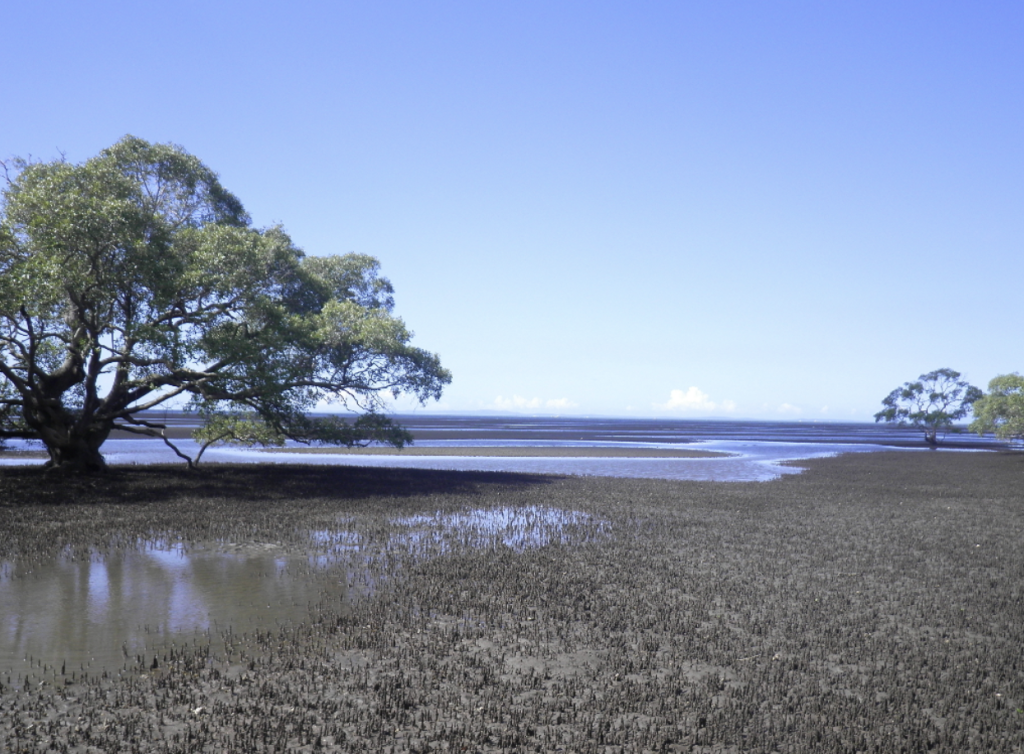
At Scarborough on the Redcliffe Peninsula, the sea shifts in and out among tangled roots. The mudflats are covered by the tide, which flows between thin trees that rise straight out of the shallow sea. While wading birds look for food on the soft ground, little crabs run for cover. The scent of the sea is carried by the briny wind. On the northern outskirts of Brisbane, this scene occurs daily. It is quiet, strong, and full of life.
These are the mangrove edges of Scarborough, among the most vital ecosystems in coastal Queensland. Often dismissed as swampy backwaters, mangroves are, in fact, powerhouses of biodiversity and natural infrastructure.
Mangroves support marine life, stabilise shorelines, and store vast amounts of carbon. Right here in Scarborough, they’re part of a living shoreline that connects the community to Moreton Bay’s wild heart.
A Forest Between Worlds
Mangroves are remarkable trees that thrive where few others can — in the shifting space between land and sea. Adapted to brackish water and daily tides, they use specialised roots to breathe in waterlogged soils and filter salt through their leaves.
Along Scarborough’s foreshore, the most common is the grey mangrove (Avicennia marina), easily recognised by its pencil-like “pneumatophores” poking up from the mud. You might also spot the smaller river mangrove (Aegiceras corniculatum), with its delicate white flowers and crescent-shaped seed pods.
These hardy plants perform vital ecological work. They trap sediment and slow water flow, preventing erosion and keeping our coastlines intact. They filter nutrients and pollutants before they reach the bay. And they create complex root networks that shelter countless marine species.
According to the Field Guide to the Mangroves of Queensland, mangroves like these are among the most productive ecosystems on Earth. Yet, they often go unnoticed beneath our feet.
Life in the Tangle
Peer closely into the still water among the roots, and you’ll find an entire world bustling below the surface. Mangrove mudflats teem with crabs, snails, and worms that recycle nutrients and feed larger creatures.
Schools of juvenile fish and prawns shelter among the submerged roots, growing safely before venturing into the open waters of Moreton Bay. Birds such as herons and kingfishers rely on the mangroves for feeding and nesting, while bats and insects roost and forage in the canopy above.
These habitats are so important that the Queensland Government recognises them as marine plants, protected under the Fisheries Act 1994. Their protection plays a crucial role in supporting the health of the entire bay, from seagrass meadows to coral reefs.
Shaped by Time
Scarborough’s shoreline has changed dramatically over the decades. Once part of extensive wetland systems used by Indigenous peoples, including the Gubbi Gubbi and Turrbal, for millennia, parts of the coast were altered by urban development, drainage, and reclamation. Yet many mangrove stands persisted — adapting, retreating, and advancing with the tides.
Today, as sea levels rise and storms grow stronger, these forests remain one of our best natural defences. They absorb wave energy, buffer storm surges, and stabilise sediments, reducing the impact of erosion. Data from the Moreton Marine Park Monitoring Report shows that mangrove habitats in the region are generally stable. Still, continued pressure from coastal development and climate change means they need ongoing protection.
Caring for the Edges
The mangroves of Scarborough may seem timeless, but they depend on our care. Avoid trampling young seedlings or compacting mud around their roots. Keep to designated paths and boardwalks when exploring the foreshore. Dispose of rubbish properly — even small pieces of litter can harm the intricate web of life here.
There are also opportunities to get involved beyond your own footsteps. Local community groups often participate in shoreline clean-ups and planting projects, contributing to the long-term health of this living shoreline. The WetlandInfo site is a valuable resource for understanding the broader role mangroves play in Moreton Bay’s ecosystem and how local actions can make a difference.
Scarborough’s mangroves show us that nature thrives in the spaces between. They protect our coast by filtering water, supporting wildlife, and keeping our homes safe. As we walk along their muddy edges and hear the leaves rustle above the water, we see a long-lasting bond between land and sea. Protecting these forests is not just about saving trees; it’s about ensuring the future of our shoreline and the diverse life it supports.

