

The Executive Suburb Blueprint: Space, Green Streets and Garage-Life in Bridgeman Downs
Long before Bridgeman Downs became shorthand for northside “executive living”, this was working land. Horse agistment dominated the area for decades, and many of the suburb’s wide blocks and curving streets still follow the edges of old equine paddocks rather than a planner’s ruler.
Along Albany Creek, post-war market gardening left behind rich, dark soils. Some backyards still benefit from them today, with the occasional legacy irrigation line surfacing during landscaping or renovations.
Those earlier uses help explain why Bridgeman Downs feels the way it does. The space wasn’t designed from scratch — it was inherited.
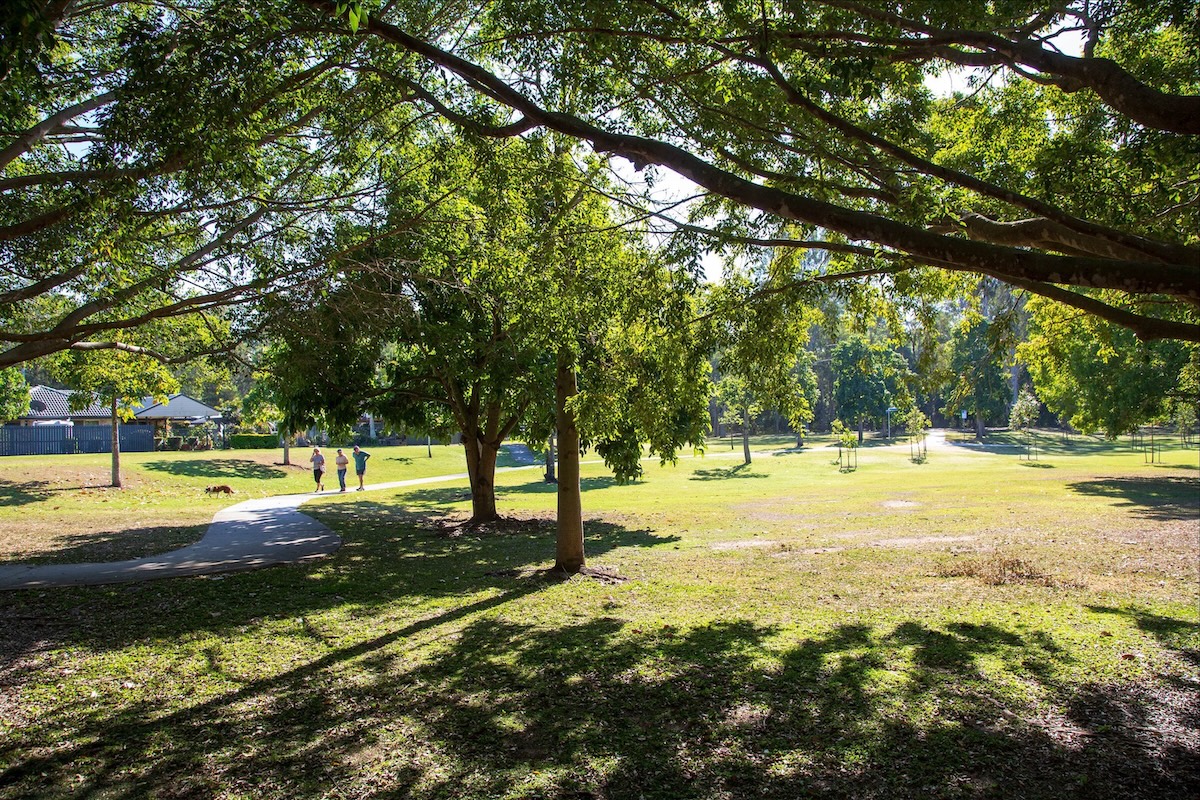
When the suburb took shape in the late 1970s and 1980s, developers were also navigating the upper floodplain of Cabbage Tree Creek. Instead of draining or forcing the landscape into rigid grids, estates were designed around watercourses. Green corridors, stormwater reserves and open space were built into the plan. That early restraint is one reason Bridgeman Downs handles heavy rain better than many later-developed suburbs, and why its streets still feel unusually green.
Some roads have even older origins. Parts of the local network evolved from informal wartime tracks linking northside military camps at Chermside and Zillmere. Others followed practical boundaries — paddocks, creek lines and ridges — rather than straight-line subdivision logic. The result is a suburb of crescents, closes and gently curving streets that naturally slow traffic and reinforce residential calm.
From the outset, Bridgeman Downs was never meant to be a self-contained hub. No town centre was planned. Residents were expected to rely on nearby Aspley, Chermside and Carseldine for shopping and services. What the suburb offered instead was separation, reinforced by substantial tree plantings made well before most homes were built. Fifty to sixty years later, those trees give Bridgeman Downs a maturity that belies the relative youth of its housing stock.
The suburb that arrived at the right moment
Bridgeman Downs was gazetted in 1977, emerging early enough to establish a low-density, detached-housing character before later waves of infill reshaped many inner and middle-ring suburbs. Its strongest growth came through the 1990s and early 2000s — exactly when Brisbane’s idea of “doing well” was shifting.
Prestige was no longer confined to inner-ring Queenslanders or traditional blue-chip postcodes. Increasingly, it meant space, privacy and homes designed for family life rather than proximity. On the northside, Bridgeman Downs became one of the clearest expressions of that executive move: trading closeness to the CBD for breathing room, greenery and day-to-day comfort.
That timing locked in a physical form that has proven durable. Detached homes dominate. Blocks are generous. Streets prioritise residential quiet over throughput. These were conscious outcomes of when — and how — the suburb was built.
What “executive” meant on the northside
In 1990s Brisbane property language, “executive” wasn’t flashy. It was practical, confident and quietly upgraded:
- Space as status. Larger blocks enabled multiple living areas, studies, proper outdoor entertaining and garages that did more than hold a single car. Some holdings extended toward an acre, cementing the suburb’s reputation as a genuine step up.
- Green and buffered. Buyers weren’t chasing café strips. They were buying distance — from traffic, density and noise.
- Drive-first by design. With no schools or shopping centres embedded in the original layout, the suburb assumed car ownership. For professional households, the trade-off was clear: drive a little more, gain a lot more space.
Those priorities shaped how the suburb functioned then — and they still do now.
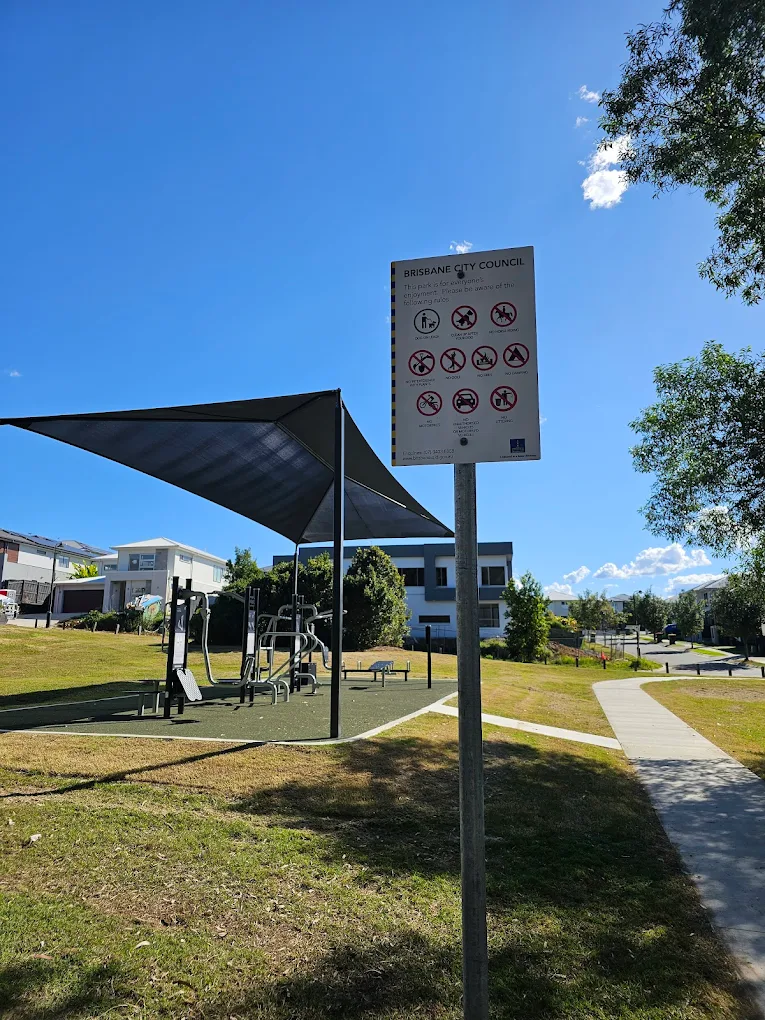
Photo Credit: Larry Chand/Google Maps
Premium demand still follows space, scale and quiet streets
If Bridgeman Downs earned its “executive move” status in the 1990s by rewarding buyers who paid for space and privacy, recent sales show that premium remains firmly in place. Between November 2025 and January 2026, multiple results pushed well beyond the standard family-home range, led by a $2.65 million sale and followed by several above $2 million. The pattern is consistent: large homes, strong presentation and quiet streets with layouts built for everyday ease.
Seen this way, the latest results aren’t a change in direction but a continuation. Buyers are still paying most for scale, separation and functionality, particularly in established pockets where multiple living areas, usable outdoor space and substantial garaging outweigh novelty. While November delivered peak prices above $2.5 million, December and January remained anchored in the high-$1 million range, pointing to a sustained premium rather than a short-lived spike.
That premium is also visible in who has been active at the pointy end. Ben Ball has opened 2026 strongly, securing successful offers across Splendid Drive, Travorten Drive, Forte Court and Halleys Crescent — streets that again underline where scale, presentation and quiet settings intersect.
Alongside that activity, several of the suburb’s strongest headline results sit with a small group of agents who regularly handle Bridgeman Downs’ top-tier family homes. Sales such as 10 Mahogany Place ($2.65m), handled by Lauren Ellis, and 11 Alba Place ($2.575m), sold by Dan D’Silva, sit at the top of the range and reflect consistent exposure to large, confidently scaled homes with substantial garaging in low-traffic streets. That pattern continues at 91 Saturn Crescent ($2.4m), sold by Sonya Treloar, where layout, storage and everyday usability again outweighed novelty.
While these sales span different pockets of the suburb, the signal is less about any single street outperforming and more about repeat alignment between housing type and buyer expectations at the premium end.
Taken together, the results tell the same story Bridgeman Downs has always traded on: buyers will drive for the right home if the payoff is space, separation and a day-to-day setup that feels easy — garages, storage and multiple living zones — rather than walk-to-everything convenience.
Here’s how that plays out on the page, from highest to lowest sale (sold date within Nov 2025–Jan 2026):
- 10 Mahogany Place — $2,650,000 (Sold 17 Nov 2025)
- 11 Alba Place — $2,575,000 (Sold 22 Nov 2025)
- 91 Saturn Crescent — $2,400,000 (Sold 05 Nov 2025)
- 10 Honeysuckle Crescent — $1,980,000 (Sold 23 Jan 2026)
- 128 Bangalow Street — $1,800,000 (Sold 03 Nov 2025)
- 19 Polaris Place — $1,756,000 (Sold 11 Nov 2025)
- 24 Canopus Street — $1,675,000 (Sold 12 Nov 2025)
- 31 Executive Way — $1,550,000 (Sold 07 Nov 2025)
- 3 Keitel Close — $1,520,000 (Sold 23 Jan 2026)
- 6 Waterford Place — $1,500,000 (Sold 04 Dec 2025)
- 46 Needham Place — $1,475,000 (Sold 27 Nov 2025)
When you line these up, it’s easy to see why Bridgeman Downs earned its “executive suburb” reputation in the first place — and why it keeps it. The biggest money still follows the homes that feel like a proper northside upgrade: more room, more calm, and a layout that makes everyday life run smoother.
The echo you can still see today
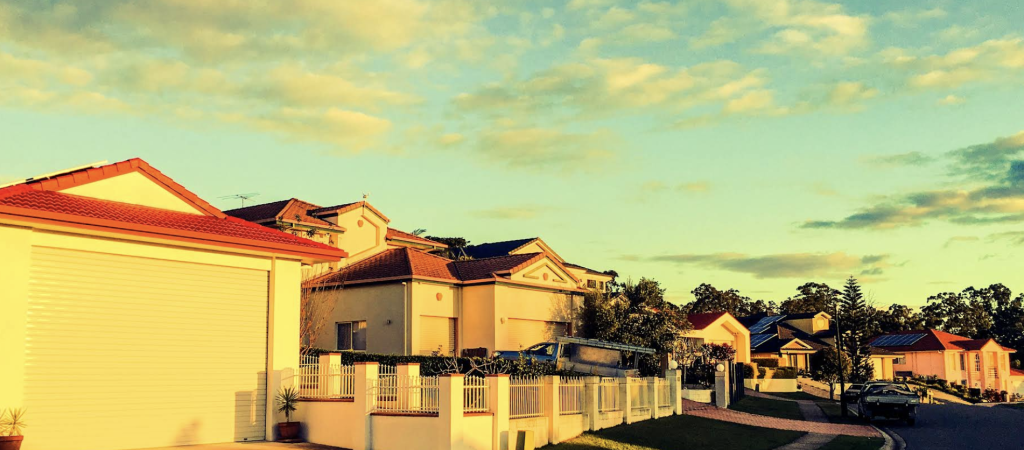
Bridgeman Downs remains a suburb shaped around detached homes, family households and cars. The original planning choices — large lots, limited density and a drive-first layout — never shifted, and that consistency is part of its appeal. It’s a place where daily life still assumes storage, space and separation rather than compact living.
That continuity is why the suburb hasn’t had to reinvent itself. What it offered in the 1990s still aligns with what many buyers want now.
Brisbane or Moreton Bay? The edge that makes it work
Administratively, Bridgeman Downs sits within Brisbane City Council. Geographically, it brushes the City of Moreton Bay. That edge position matters. The executive-suburb formula that took hold here never relied on town centres or tight boundaries — it relied on land, layout and liveability.
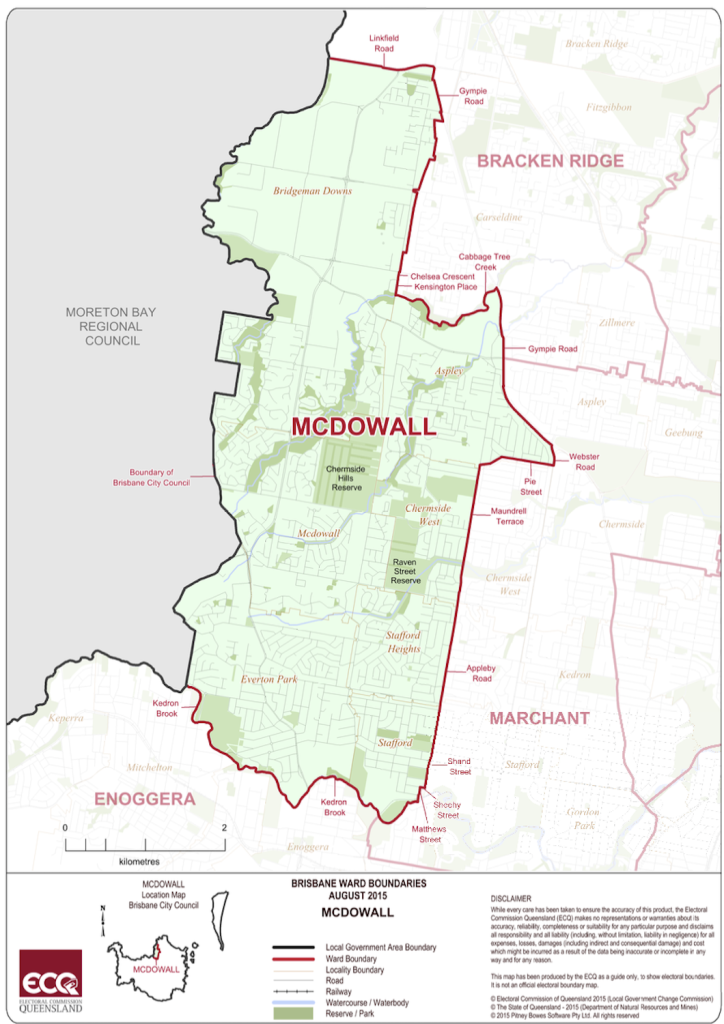
The same trade-off still underpins its appeal today: accept a little more driving, and gain space, calm and homes that make everyday life easier. That was the blueprint then. It remains the blueprint now.

Featured Image Credit: BrisbaneCityCouncil
