

Kids on Creek Duty: School Eco-Clubs as Citizen Scientists
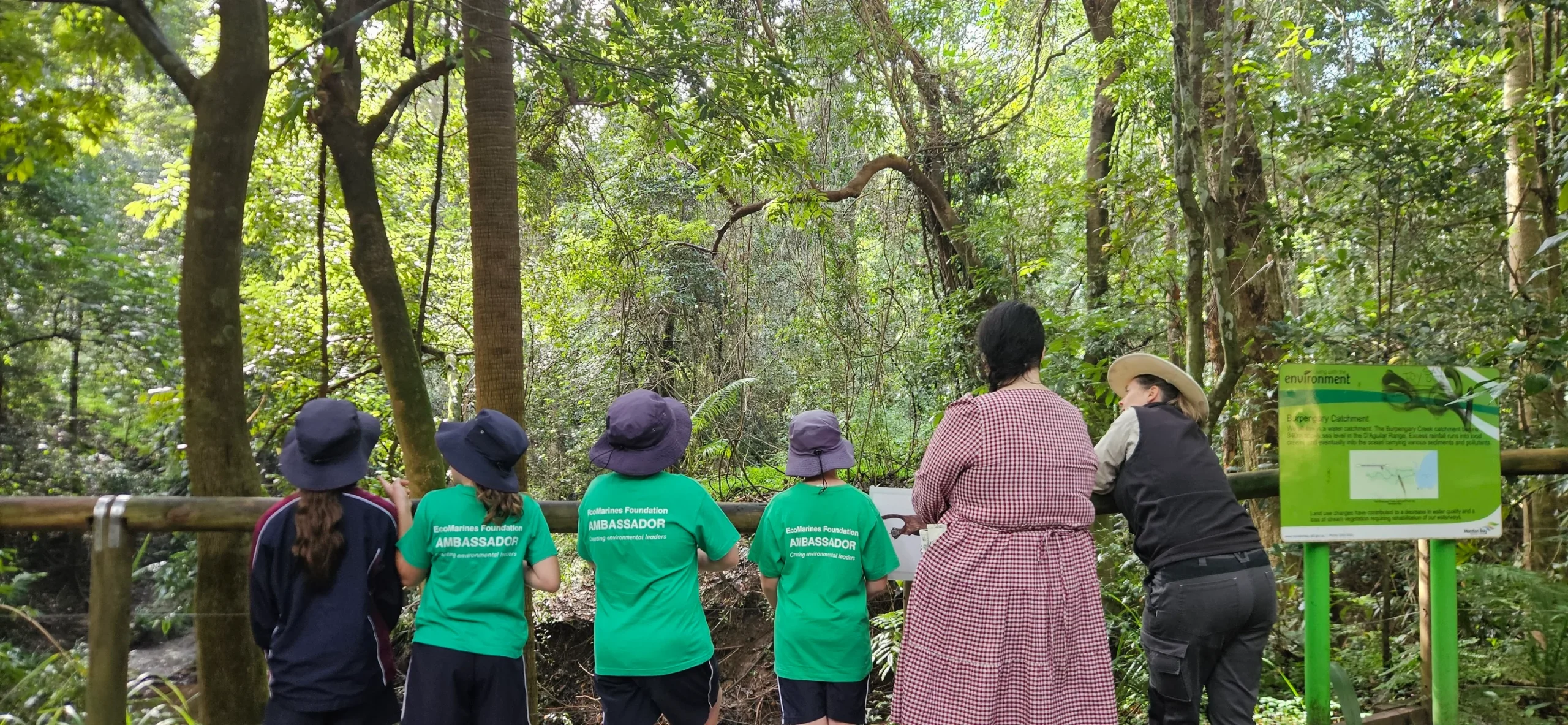
On a typical school day in Narangba, students from local schools gather beside Burpengary Creek with nets and collection trays in hand. They check water clarity, collect small aquatic insects called waterbugs, and sometimes record frog calls. These excursions are part of a growing effort to help young people learn about their local freshwater systems while seeing science in action.
From classroom to creekside
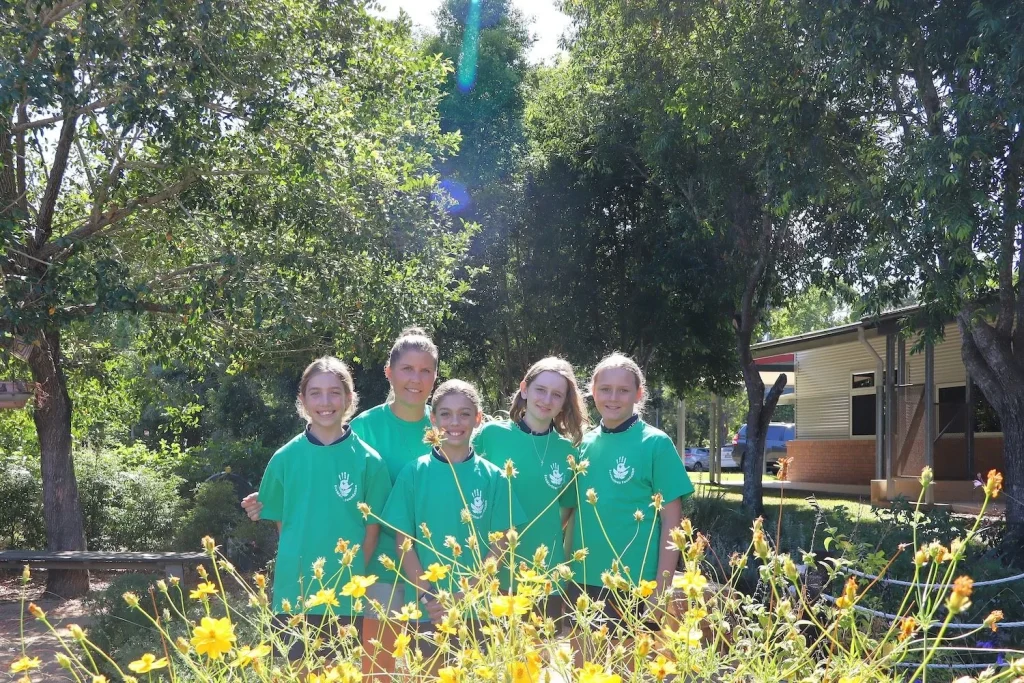
At EcoMarines Foundation, a Queensland-based environmental education organisation, Narangba Valley State School ambassadors prepared to put their sustainability plans into practice. The Foundation explained that its programs help students see how their everyday actions can affect local waterways and coastal habitats.
Meanwhile, the City of Moreton Bay undertook a project at Williamina Court Park in Narangba to replace a concrete drain with a naturalised waterway and wetland, aiming to improve water quality and support biodiversity. Many of the local creek-side excursions take place within the same Burpengary Creek catchment that this project is designed to protect.
What the students do and why it matters
On excursions to nearby reserves and wetlands, student groups test basic water properties, examine water bugs that indicate creek health, and, in some programs, record frog calls using citizen-science apps such as FrogID. The EcoMarines Foundation notes that these practical activities help students gain a real-world understanding of how their behaviour impacts the environment.
Council and state data show that wetlands—including palustrine systems like those found along Burpengary Creek—cover just under nine per cent of the Moreton Bay Region’s land area. These ecosystems play a vital role in filtering stormwater, providing wildlife habitat and managing flood risk.
Learning hubs and council support
Local environmental education centres supported by Council provide outdoor learning spaces that focus on creeks and catchments. One such facility, the Caboolture Region Environmental Education Centre (CREEC), is located on an 18-hectare reserve next to Burpengary Creek. It forms part of the City of Moreton Bay’s network of centres that offer school excursions focused on nature-based investigations and lessons on water quality and biodiversity.
Council also runs waste-education programs for schools, which reinforce messages about how litter and runoff affect creeks and wetlands. Together, these initiatives link classroom learning with real-world environmental issues.
Bigger picture: creeks, growth and green infrastructure
As Narangba and nearby suburbs continue to expand, vegetated creek corridors and constructed wetlands are designed to provide wildlife habitat while improving water quality and managing stormwater.
The Williamina Court Park project focuses on a 58-hectare catchment that drains into Little Burpengary Creek, part of the Burpengary Creek system. It is expected to enhance biodiversity and water treatment in the area.
Creek-related activities, eco-clubs and environmental programs help young people see how urban development, drainage and natural waterways are interconnected.
During field visits, students are encouraged to look for issues such as litter in drainage paths, muddy flows after heavy rain, and changes in local frog calls or waterbug numbers—all signs that a waterway might be under stress. Such issues reflect the pressures that rapid urban growth can place on freshwater corridors.
Student projects help identify problem areas and support broader education efforts on waste and waterways. Program organisers aim to build a sense of ownership and stewardship among young people through these hands-on experiences.
A generation equipped
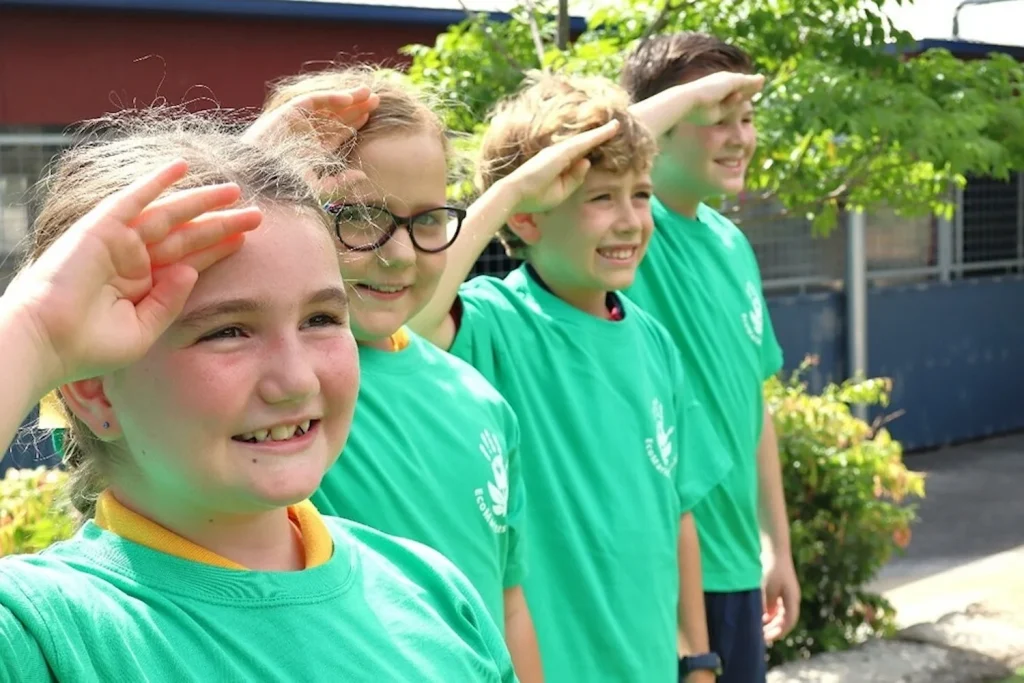
For students involved in school eco-clubs, time at the creek is intended to be more than just a one-off field trip. It is designed as a step into scientific thinking, community engagement and environmental responsibility.
The region’s wetlands and creeks continue to provide important environmental services, and student programs are one way the community is becoming more involved in their care. Educators and organisers hope that, by the time these students reach high school and beyond, they will retain the practical understanding of ecosystems they began to build beside Burpengary Creek.

Featured Image Credit: CREEC Environmental Education Centre/Facebook
